The Hidden Cost of "Cheap" Mobility
In high-stakes industrial operations—from heavy machinery transport to sensitive equipment alignment—the temptation to cut costs with budget casters is strong. However, in the context of Retractable Casters, quality is not a luxury; it's an operational necessity. A low-quality retractable system on heavy equipment introduces catastrophic risks, including mechanism failure, unintended movement, and costly downtime.
This article defines the engineering hallmarks of a High-Quality Retractable Caster and provides a clear case for why the initial "premium" price tag is a critical investment that yields superior Return on Investment (ROI) in demanding industrial settings.
Hallmarks of High-Quality Retraction Mechanisms
The mechanism that lifts and lowers the wheel is the component most prone to failure under load. High quality is defined by robust mechanics.
Load Transfer Integrity
Low-Quality Risk: Budget mechanisms often rely on thin metal linkages that bend or snap under dynamic load (e.g., when the equipment is first mobilized or stopped), leading to uneven lifting and permanent instability.
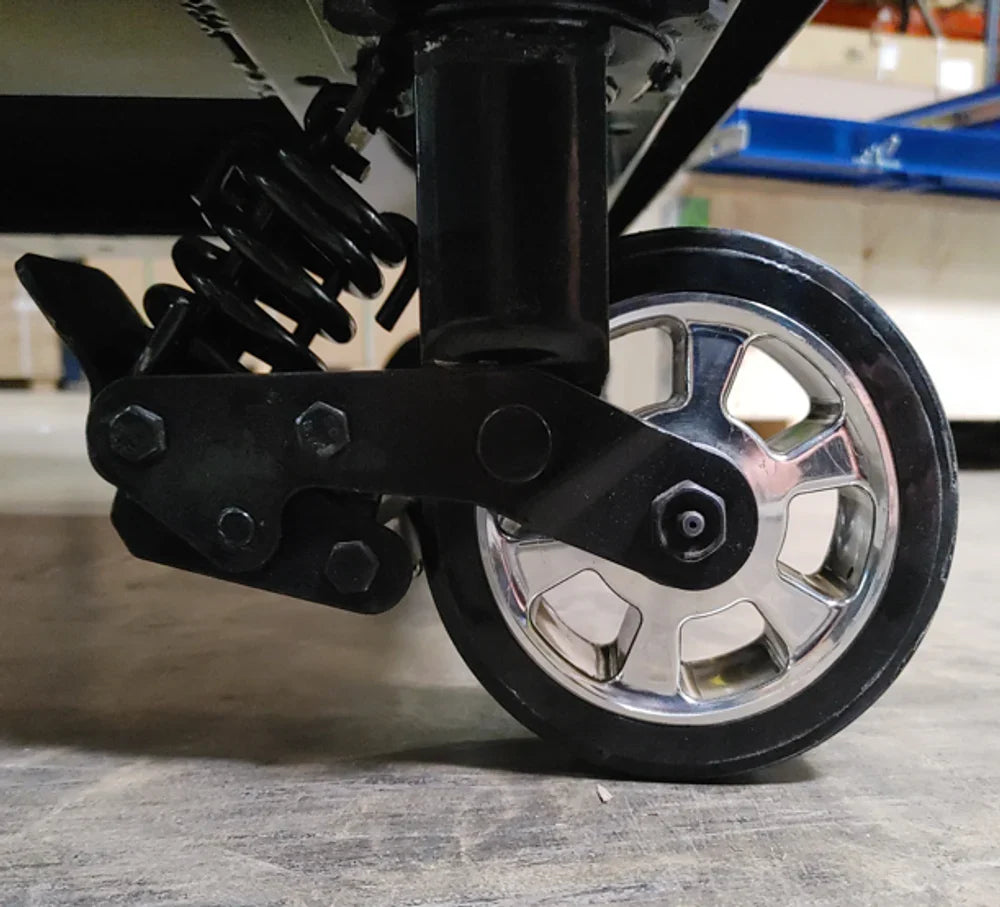
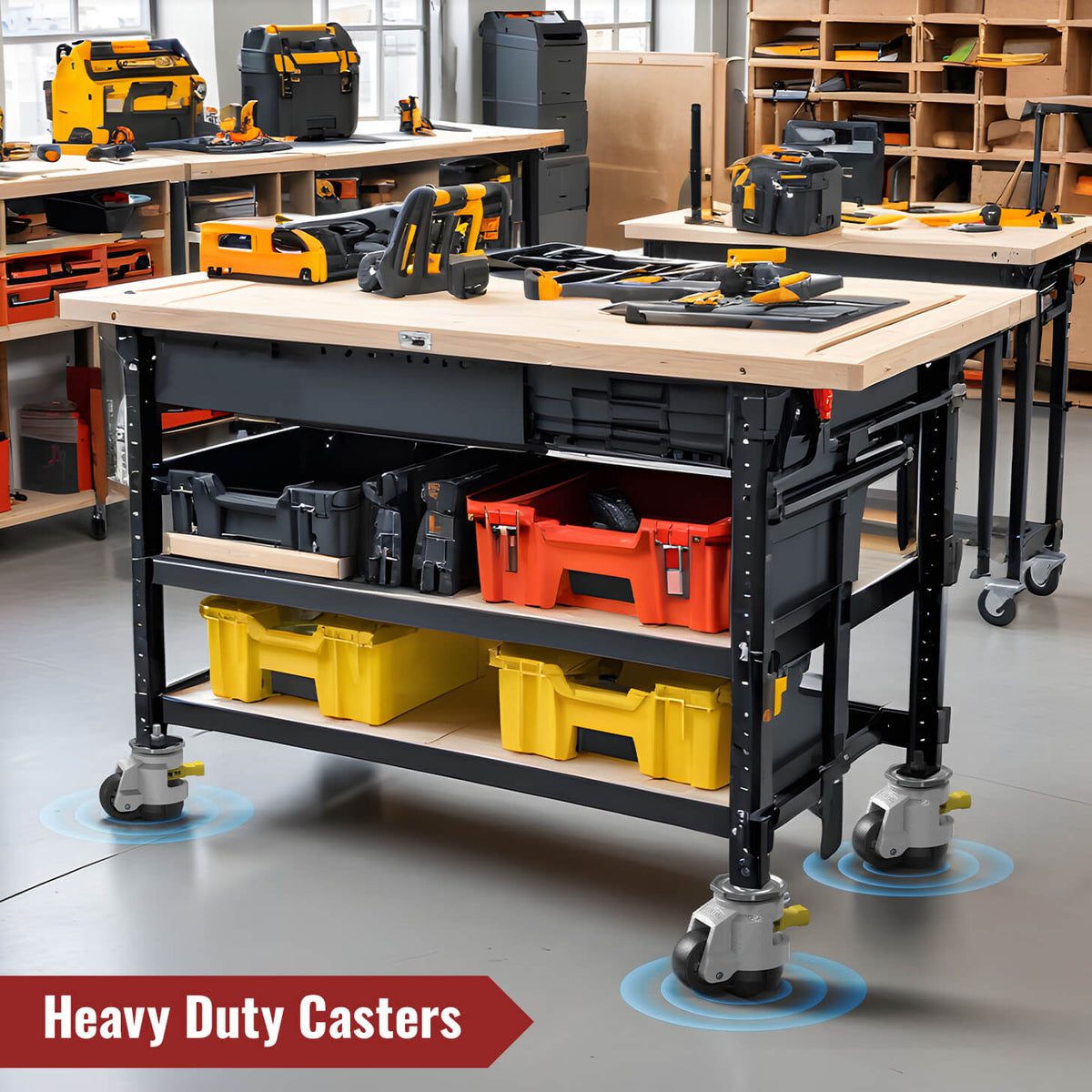
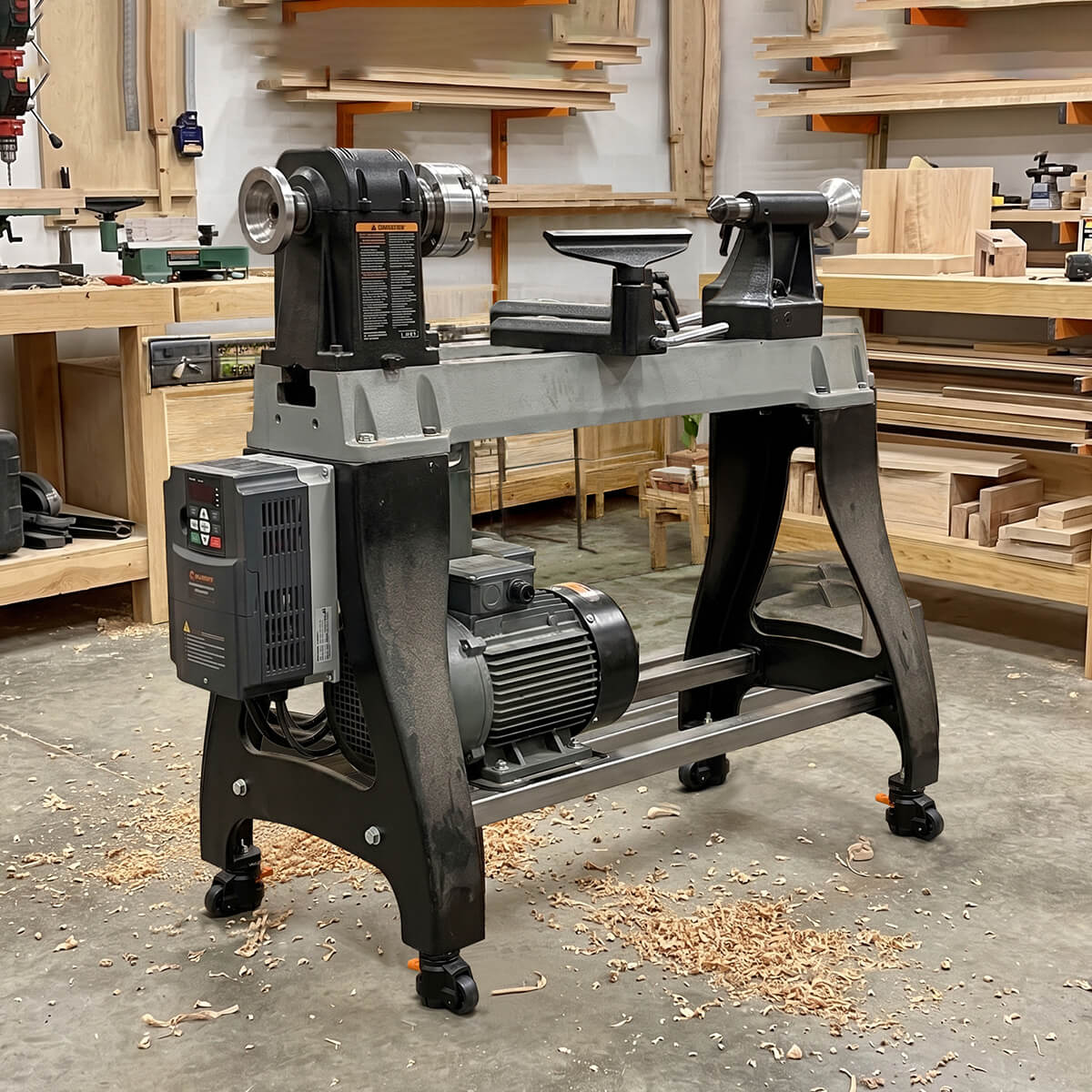
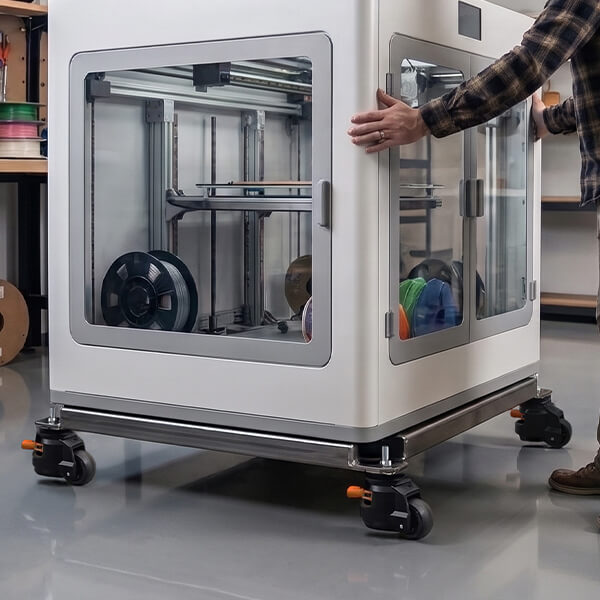
High-Quality Feature: Industrial-grade casters utilize heavy-gauge steel linkages and a smooth gear-driven or hydraulic/pneumatic assist system. This ensures the load is always transferred evenly and reliably to the stabilizing foot, preventing structural fatigue in the equipment frame.
Precision Engagement and Leveling
In applications like machining or testing, equipment must be perfectly level.
Low-Quality Risk: Cheap casters lack fine adjustment, making it impossible to level heavy equipment precisely after repositioning.
High-Quality Feature: Premium retractable casters often include a built-in leveling feature or adjustable foot pad. This allows operators to quickly fine-tune the height after retraction, ensuring the equipment achieves the absolute stability and zero deflection required for critical operations.
Durability: Wheel Composition and Bearing Life
A retractable system only functions as well as its rolling components. High-quality materials resist the corrosive and abrasive nature of factory environments.
Wheel and Tread Longevity
Low-Quality Risk: Standard wheels quickly degrade under chemical exposure or fail prematurely on floors littered with debris, leading to frequent, unscheduled replacement.
High-Quality Feature: True industrial casters use specialty compounds, such as high-performance Polyurethane (PU) or Nylon with durometers specifically matched to the load and floor type. These materials resist abrasive wear, high temperatures, and chemical degradation, drastically increasing the Mean Time Between Failure (MTBF).
Sealed Bearings and Maintenance Reduction
High-quality retractable casters feature precision sealed ball bearings in both the wheel and the swivel head. This design prevents industrial contaminants (dust, shavings, moisture) from compromising the rolling action, ensuring minimal push/pull effort over the lifetime of the caster and nearly zero maintenance requirement.
The Long-Term ROI of a Premium Choice
While the initial cost is higher, the total cost of ownership (TCO) is lower due to reduced downtime and risk mitigation.
Safety Risk Mitigation: Low-quality casters that fail to lock securely expose the facility to severe risk from equipment shifting. Premium casters with robust locking mechanisms eliminate this liability, translating to fewer worker compensation claims.
Zero Downtime: High durability and ease of maintenance mean scheduled operations are rarely interrupted by caster failure, maximizing asset utilization and ensuring production targets are met.
Extended Equipment Life: By providing stable, shock-absorbed movement, high-quality casters reduce the stress and vibration transferred to the expensive host equipment, extending the lifespan of the entire machine.
Investment in Operational Integrity
In an industrial environment where stability and mobility are non-negotiable, a high-quality retractable caster is the guardian of your assets and the facilitator of your efficiency. Choosing a premium product is not just an expense; it is a strategic investment in operational integrity, worker safety, and the long-term ROI of your heavy equipment.




How Retractable Casters Balance Floor Protection with Extreme Industrial Loads
Maximizing ROI: Lifecycle Cost, Maintenance, and Replacement Strategy for Heavy Equipment Casters