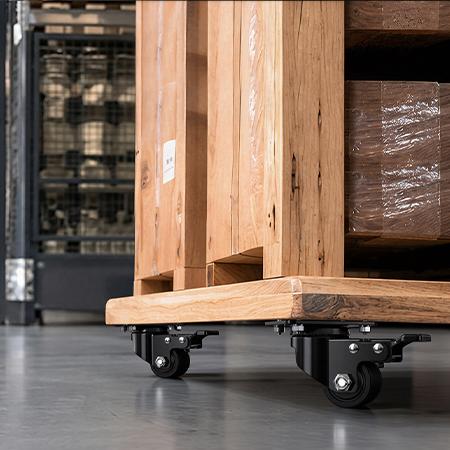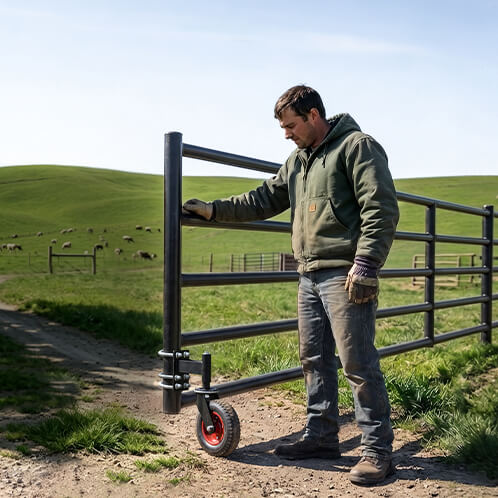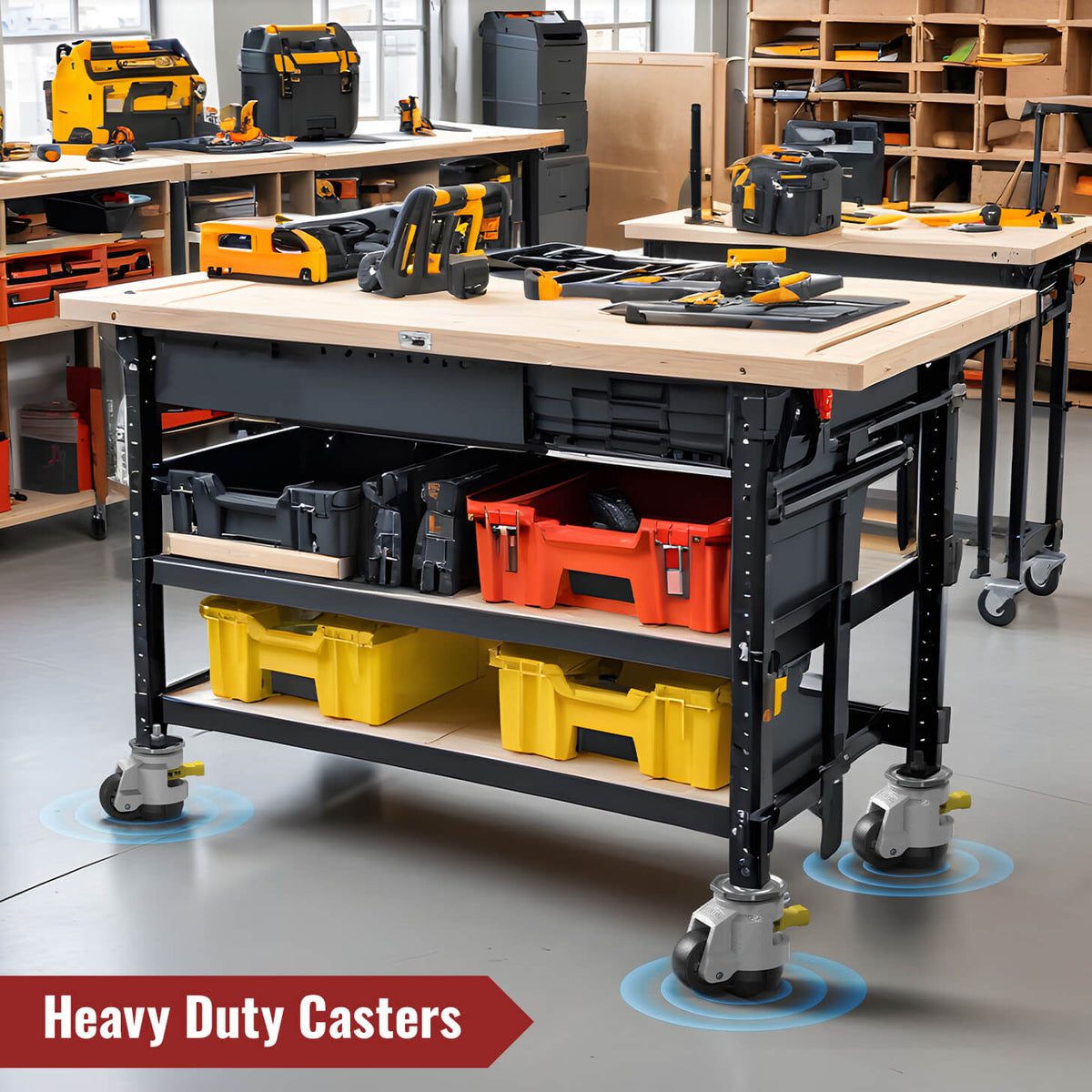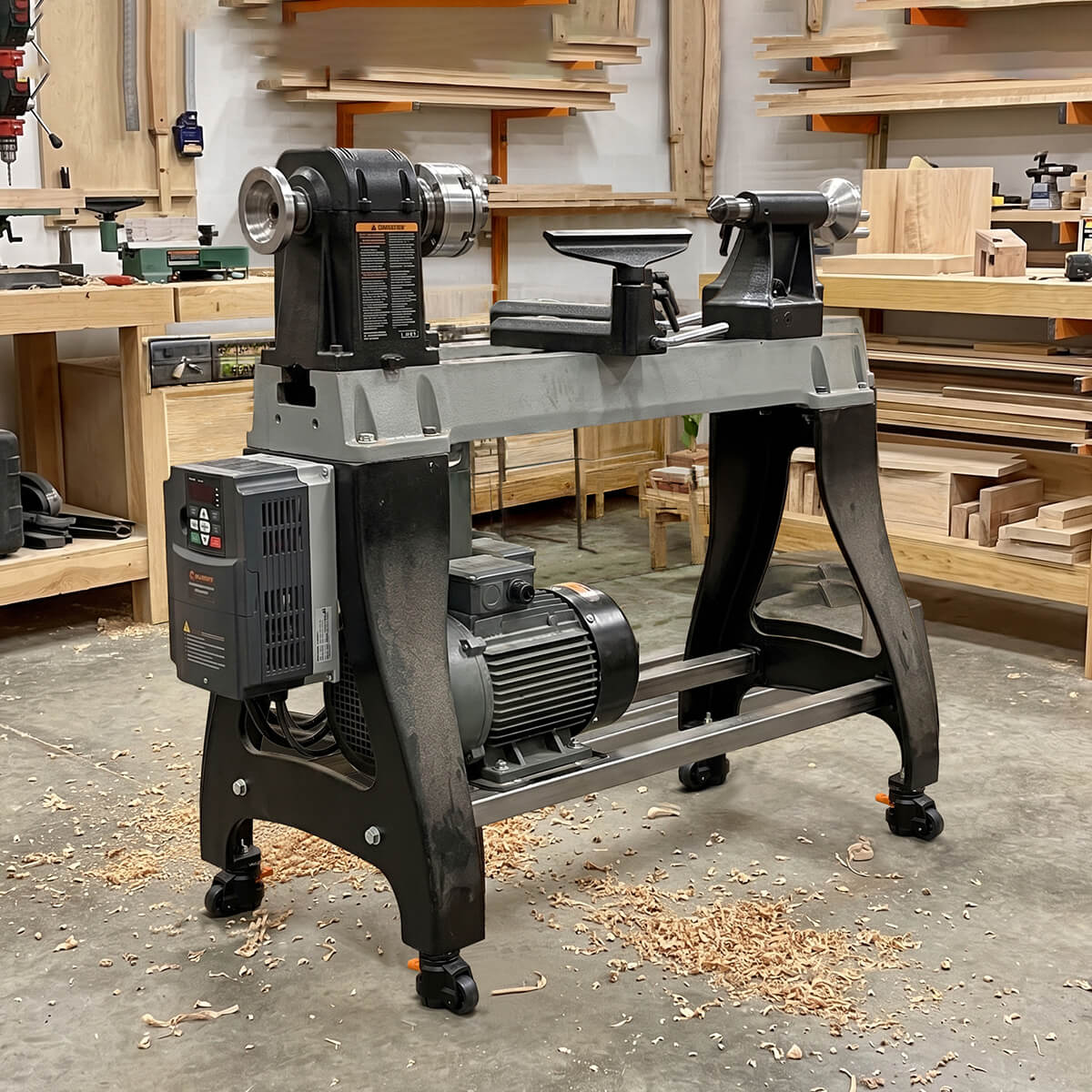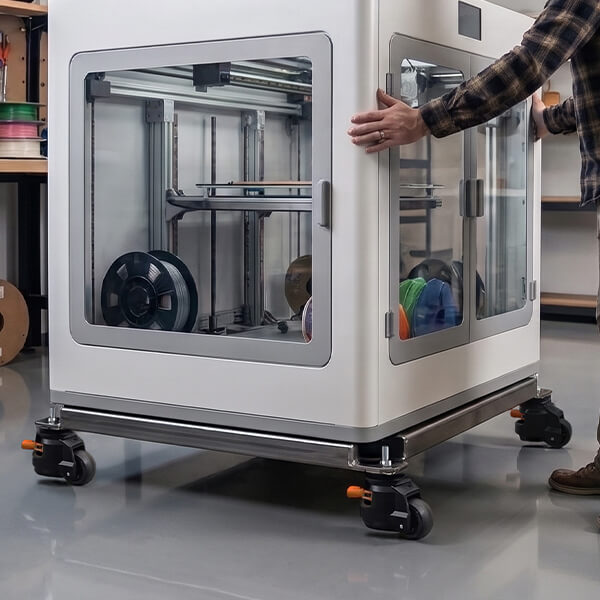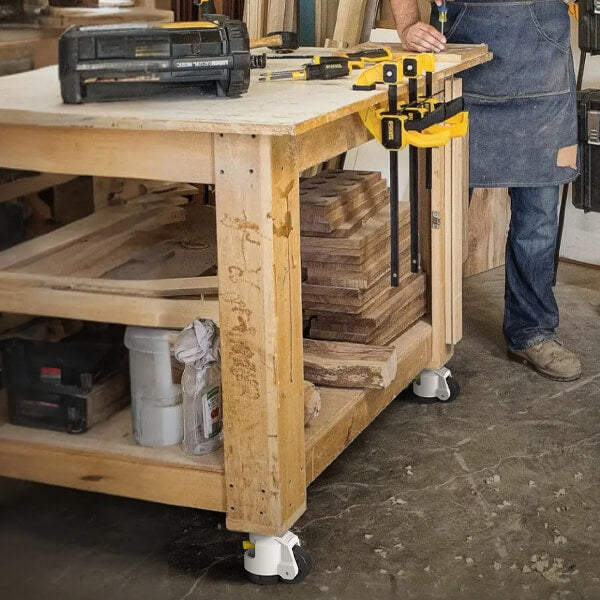

Leveling casters let you move a workbench into place and then stabilize it with adjustable leveling feet. The setup is straightforward: install the casters securely, position the bench where it will be used, adjust each leveling foot until the frame is stable, and verify that the work surface is level under its normal load.
If you are still selecting a product, start with Holkie's leveling casters collection. Choose the mounting style, load rating, wheel size, and leveling range for your bench before installation.
Before You Start: Check These Four Details
Do not begin adjustment until you have confirmed the following:
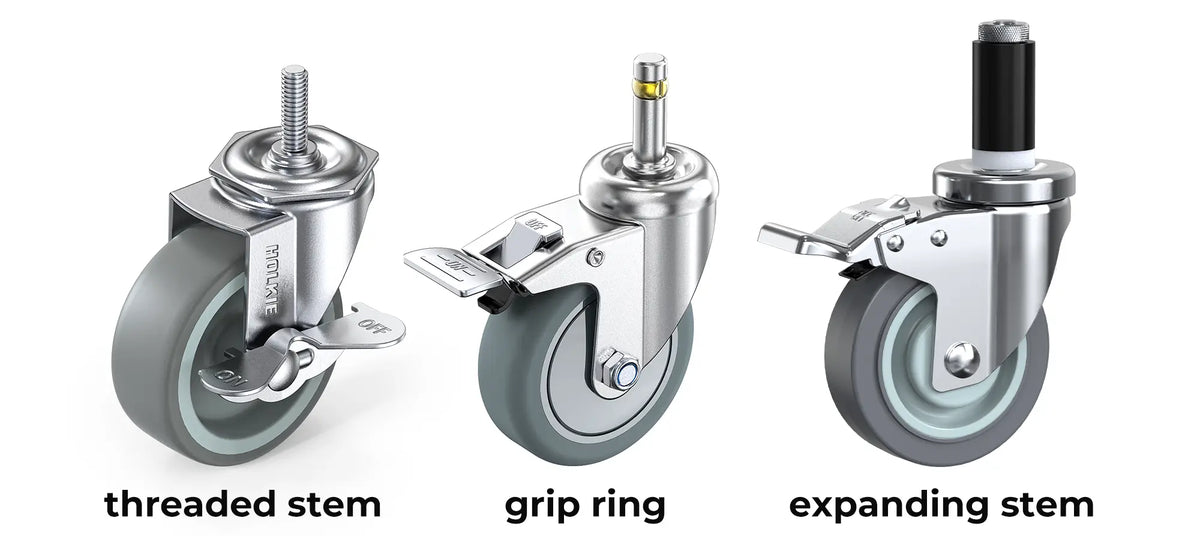
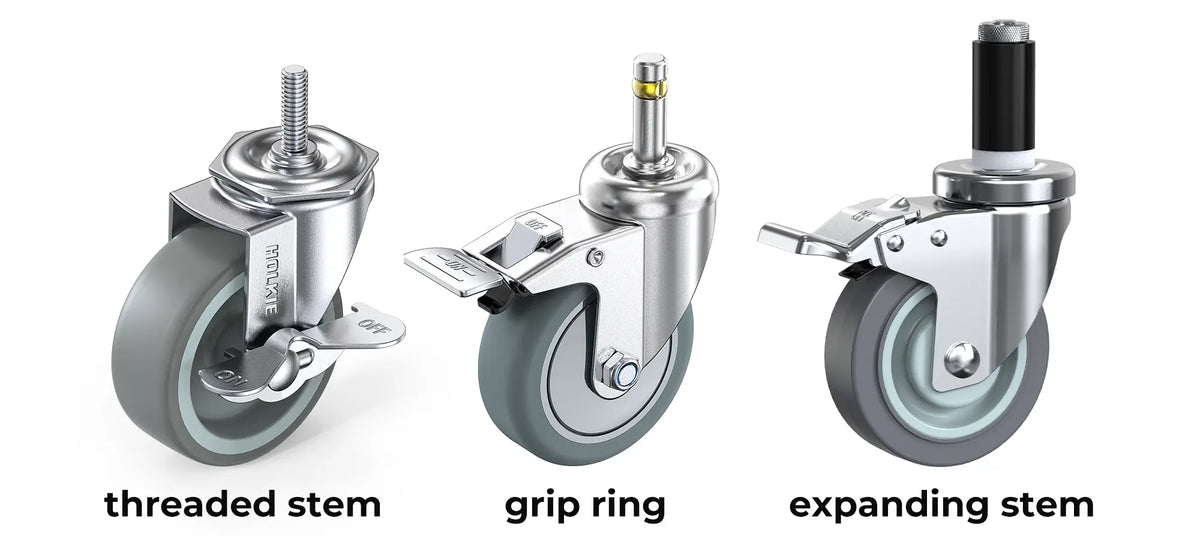
- Mounting compatibility. Match the caster's plate pattern or threaded stem to the workbench frame. Check bolt-hole spacing, thread size, thread engagement, and clearance around the mounting point.
- Fully loaded weight. Include the workbench, tools, fixtures, stored materials, and the heaviest normal workpiece. Select a caster set with a rating appropriate for the total working load, not only the empty bench.
- Final working height. Measure the bench height after the casters are installed and after the leveling feet are deployed. This is especially important where an operator, conveyor, or adjacent machine depends on a fixed working height.
- Floor condition. Leveling feet can compensate within their designed adjustment range. They do not correct a severely sloped, damaged, or structurally unstable floor.
Step 1: Install All Casters on a Flat Surface
Install each caster with the correct hardware and tighten it according to the workbench frame and caster mounting requirements. For plate-mount casters, use all specified mounting holes. For threaded-stem casters, make sure the stem is fully engaged and secured with the appropriate nut or locking hardware.
Set the workbench upright only after every caster is mounted. A bench with one incorrectly mounted caster can rock even when the leveling feet are adjusted.
Step 2: Move the Workbench to Its Final Position
Roll the bench to the place where it will operate. Do this before leveling: a different area of the floor can have a different slope or surface condition.
For heavy equipment, clear the travel path and make sure the floor can support the loaded bench. If the bench must be connected to power, air, or process equipment, complete those connections only after the final location is confirmed.
Step 3: Deploy the Leveling Feet Gradually
Operate the leveling mechanism on each caster gradually. Start with the corner that is lowest or most unstable, then move diagonally across the workbench.
The goal is to transfer the working load from the wheels to the leveling feet until the bench no longer rocks. Do not over-adjust one corner while the other corners remain unloaded. Small, alternating adjustments give a more stable result than forcing one leveling foot down as far as possible.
Step 4: Check Stability Before Checking Level
Push lightly on each corner of the workbench. If the frame rocks, re-adjust the leveling feet until all contact points support the bench evenly.
Only after the bench is stable should you use a spirit level or digital level on the working surface. Check the surface in two directions. Adjust opposite corners in small increments until both stability and level are acceptable for the task.
Step 5: Recheck Under Normal Load
Place the normal tools, fixtures, or workpiece on the bench and repeat the stability check. A workbench can behave differently once it carries a real load.
Recheck the leveling feet after the first work cycle and after moving the bench. Floors, mounting hardware, and loaded equipment can settle slightly after initial setup.
Common Setup Mistakes
| Mistake | Why It Causes Problems | Better Practice |
|---|---|---|
| Choosing by empty-bench weight | The caster set can be overloaded in use | Use the fully loaded working weight |
| Leveling before moving the bench | The final floor area may be different | Level only in the final operating position |
| Adjusting one corner too far | The bench can twist or leave other feet unloaded | Adjust opposite corners gradually |
| Using wheels as the final support | Wheels can allow movement or rocking | Deploy the leveling feet for the working position |
| Treating leveling casters as permanent anchoring | Some equipment needs engineered anchoring or code-specific restraint | Follow the equipment and site requirements |
Are Leveling Casters the Same as Retractable Casters?
Not always. Leveling casters are selected when a workbench or equipment frame must be moved and then stabilized with adjustable feet. Retractable casters are selected when the equipment needs a lifting or lowering function that changes how the frame or wheels contact the floor.
If the application requires both mobility and a specific support or lifting arrangement, compare the two mechanisms before purchase. Add a link to the comparison article after it has been published.
When to Request a Bulk Quote
For multiple workbenches, equipment frames, carts, or OEM projects, prepare these details before requesting a quote:
- total loaded weight per unit
- number of casters per unit
- mounting plate drawing or thread specification
- desired working height and required leveling range
- floor type and moving frequency
- product quantity and destination
For project support, custom requirements, or volume pricing, visit Holkie's Bulk Order page.
Frequently Asked Questions
Can leveling casters correct an uneven floor?
They can compensate for small differences within the model's specified adjustment range. They cannot correct a major floor slope or a floor with a structural problem.
Should the wheels touch the floor after the bench is leveled?
Follow the instructions for the specific caster model. The important outcome is that the workbench is stable and that the leveling feet provide the intended support in the working position.
Can I use leveling casters on a heavy industrial workbench?
Yes, provided the mounting method, total loaded weight, floor condition, and leveling range match the selected model. Review the current product specification before purchase.
Are Holkie leveling casters self-leveling?
Use the product page to confirm how the selected model adjusts. Do not assume that a leveling caster automatically levels a bench; many designs use a manual leveling foot or handle.
Choose Leveling Casters for Your Workbench
Browse Holkie leveling casters to compare available mounting styles and product options. For multiple units or an OEM project, provide the workbench specifications through the Bulk Order form so the product team can help match the application.