
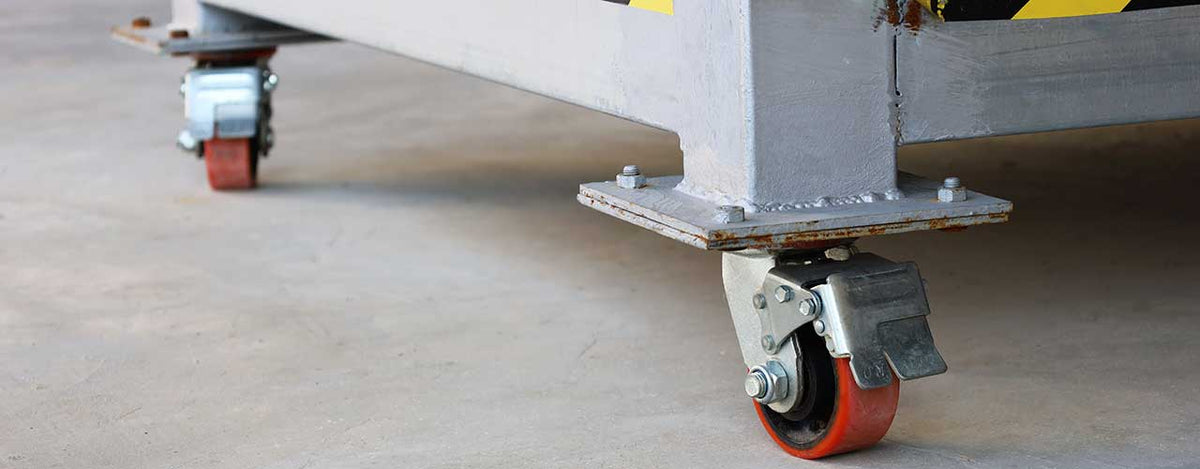
When it comes to enhancing mobility and ease of movement, plate casters stand as a reliable and versatile solution. These wheels, equipped with a flat mounting plate, find applications in various industries due to their unique design and functionality.
Understanding Plate Casters
What sets plate casters apart?
Plate casters derive their name from the flat, square or rectangular mounting plate that is attached to the bottom of the caster. This plate allows for a straightforward and secure installation onto the surface of furniture, equipment, or other objects.
Design and Construction
Plate casters come in a range of designs, catering to different needs. The wheel itself can vary in material, with options like rubber, polyurethane, or metal, each offering specific benefits such as load-bearing capacity, floor protection, and noise reduction. The mounting plate is typically made from durable materials like steel, ensuring stability and longevity.
Applications of Plate Casters
Versatility in Use
One of the key advantages of plate casters lies in their versatility. They are employed in a multitude of settings, from office chairs and carts to industrial equipment and medical devices. The ability to handle diverse loads makes plate casters an indispensable component in various industries.
Furniture Mobility
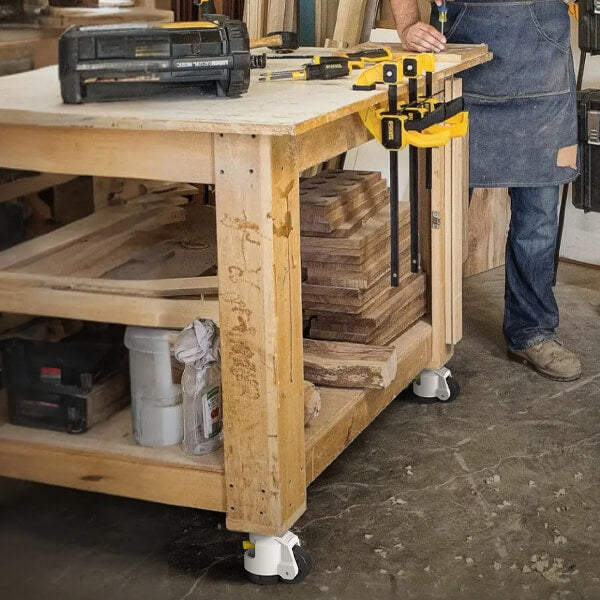
In the realm of furniture, plate casters play a crucial role in enabling easy movement. Chairs, tables, and cabinets fitted with plate casters can be effortlessly repositioned, facilitating dynamic and adaptable spaces.
Industrial Maneuverability
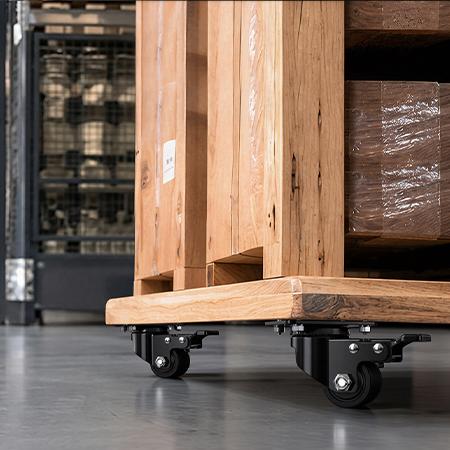
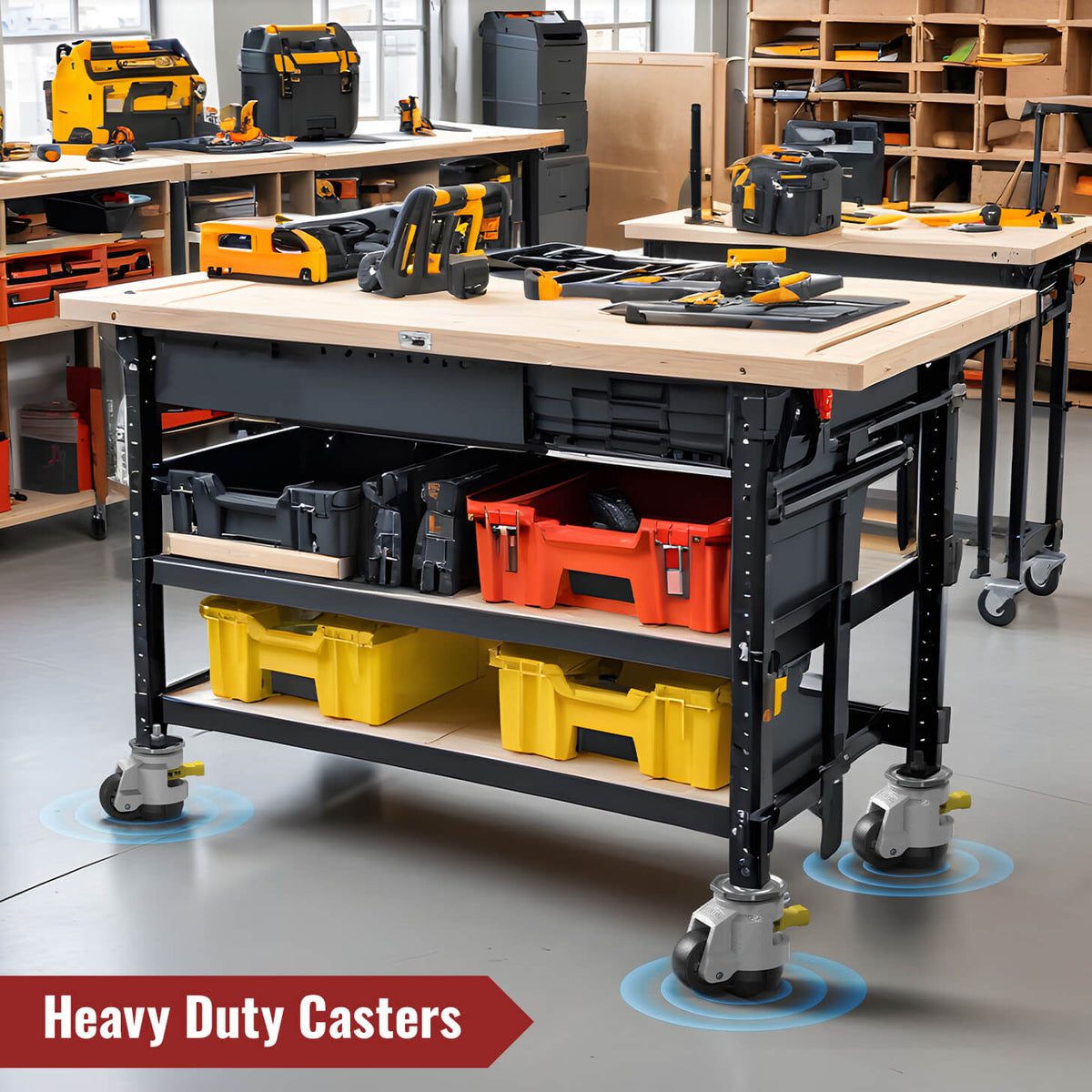
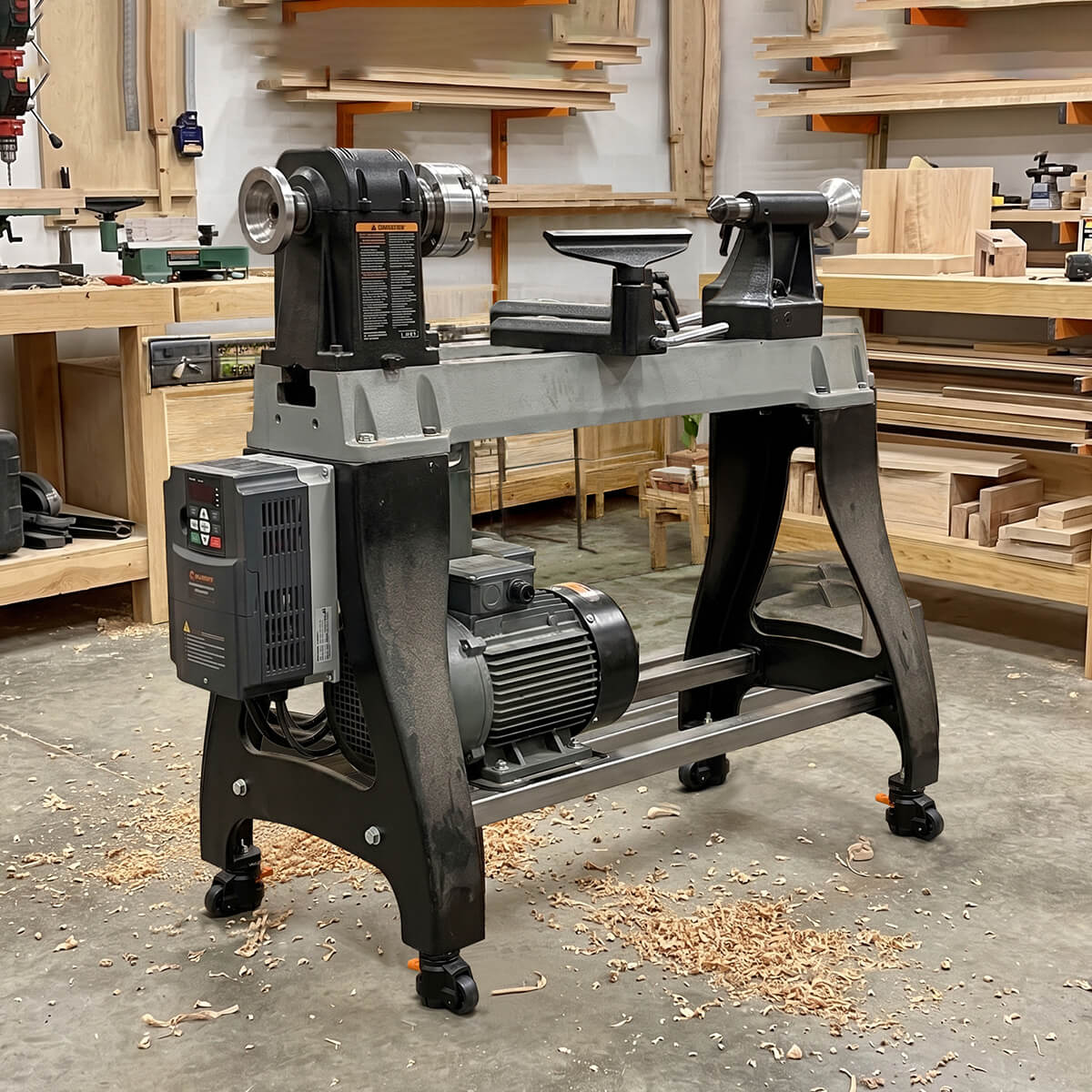
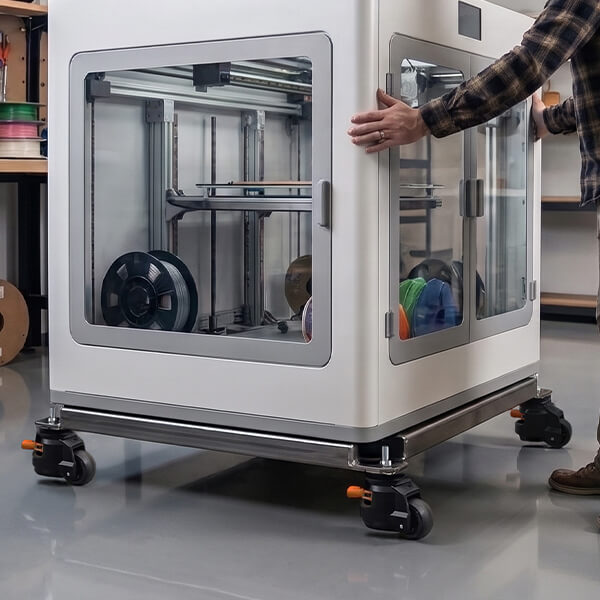
In industrial settings, the robust construction of plate casters shines. These casters are often chosen for heavy-duty applications, providing reliable support for machinery, racks, and material handling carts.
Choosing the Right Plate Caster
Factors to Consider
Selecting the right plate caster involves a careful consideration of several factors. Load capacity, floor conditions, and the intended use must all be taken into account. Different wheel materials offer distinct advantages – rubber for shock absorption, polyurethane for smooth rolling, and metal for high-temperature environments.
Customization Options
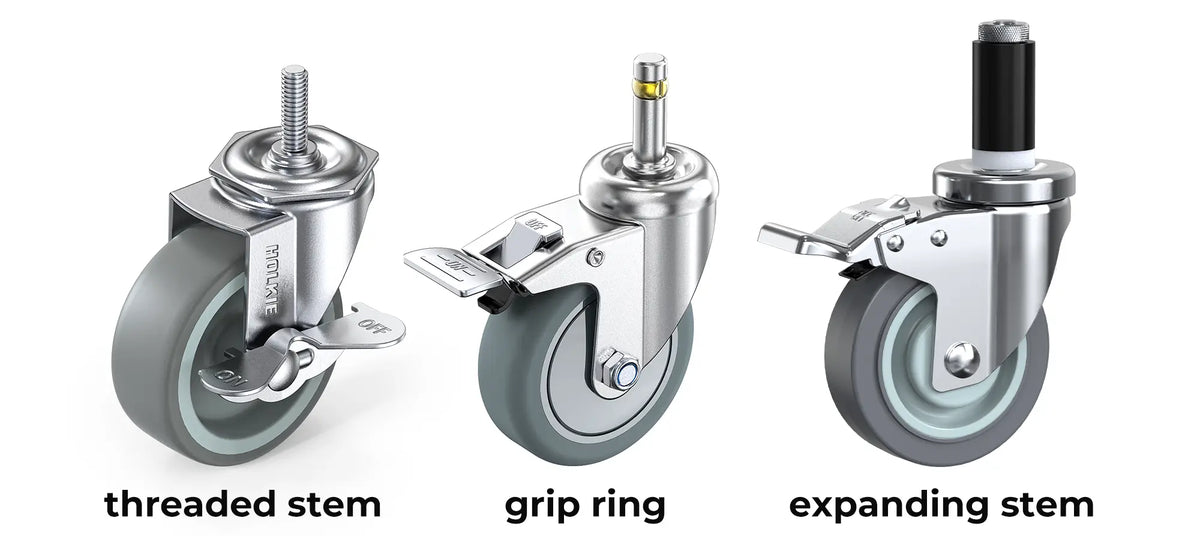
Many plate caster models offer customization options, allowing users to tailor the caster to their specific needs. Swivel or rigid plate casters, brake options, and different wheel sizes provide flexibility in choosing the ideal caster for any given application.
Ensuring Longevity and Performance
Proper Installation
To unlock the full potential of plate casters, proper installation is paramount. Following manufacturer guidelines and ensuring a secure attachment to the mounting plate guarantees stability and safety during use.
Regular Maintenance
Plate casters, like any mechanical component, benefit from regular maintenance. Periodic cleaning, lubrication of moving parts, and inspection for wear and tear contribute to prolonged caster life and optimal performance.
Conclusion
Plate casters stand as unsung heroes in the world of mobility and logistics. Their versatility, coupled with the ability to handle a variety of loads, makes them indispensable across diverse industries. By understanding their design, applications, and factors influencing their selection, users can harness the full potential of plate casters, ensuring seamless movement and enhanced efficiency in their operations.




Unveiling the Origins: The Fascinating History Behind the Term "Caster"
Maintenance and Care Tips for Your HOLKIE Casters