
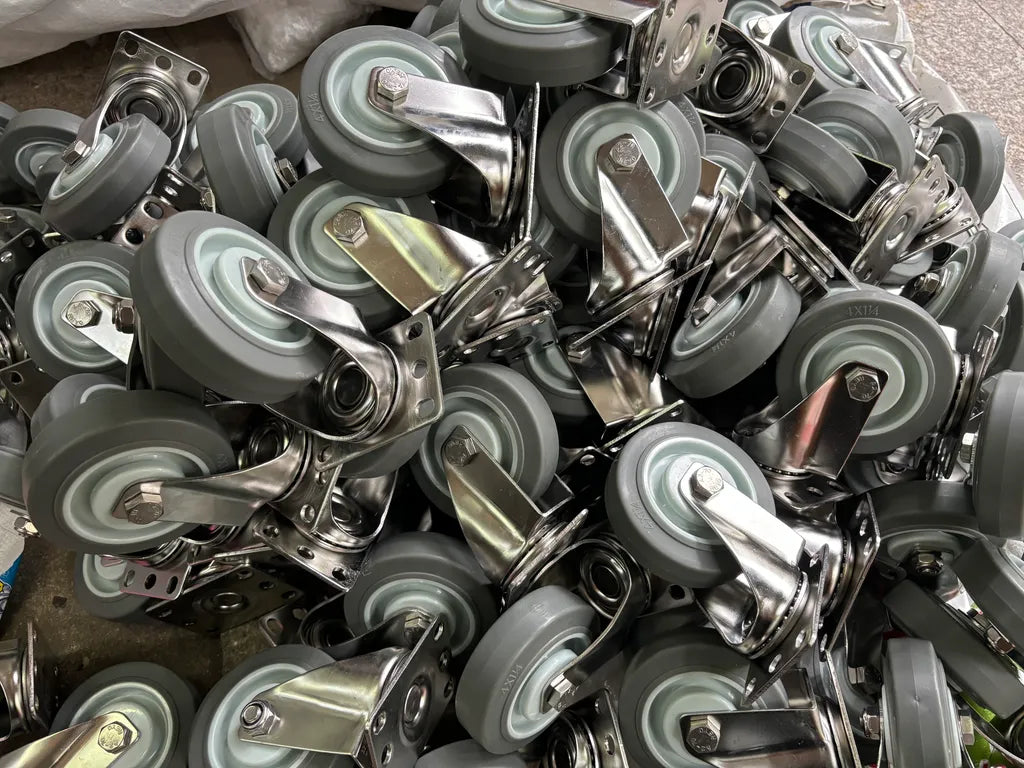
Selecting the right wheel caster can significantly impact the functionality and mobility of furniture, equipment, or industrial machinery. With various options available, it's essential to understand your specific requirements to make an informed decision. This article will guide you through the key factors to consider when choosing wheel casters, ensuring you find the perfect match for your needs.
Understanding Wheel Casters
Before diving into selection criteria, it’s essential to understand what wheel casters are. Wheel casters consist of a wheel and a mounting mechanism that allows objects to move easily while providing stability when stationary. They come in various designs, materials, and sizes, each serving different purposes and applications.
1. Determine the Application
The first step in choosing the right wheel caster is to identify its intended application. Wheel casters are used in a variety of settings, including:
- Furniture: For movable desks, chairs, and carts.
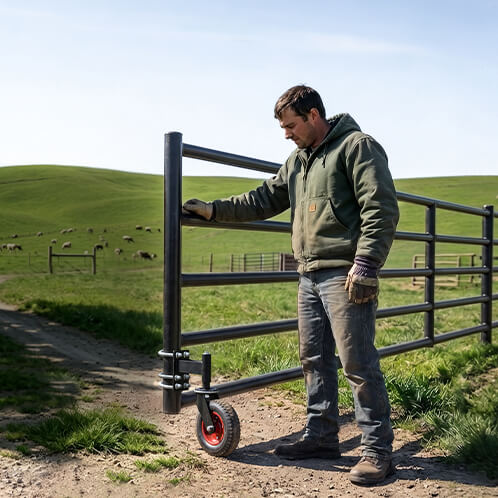
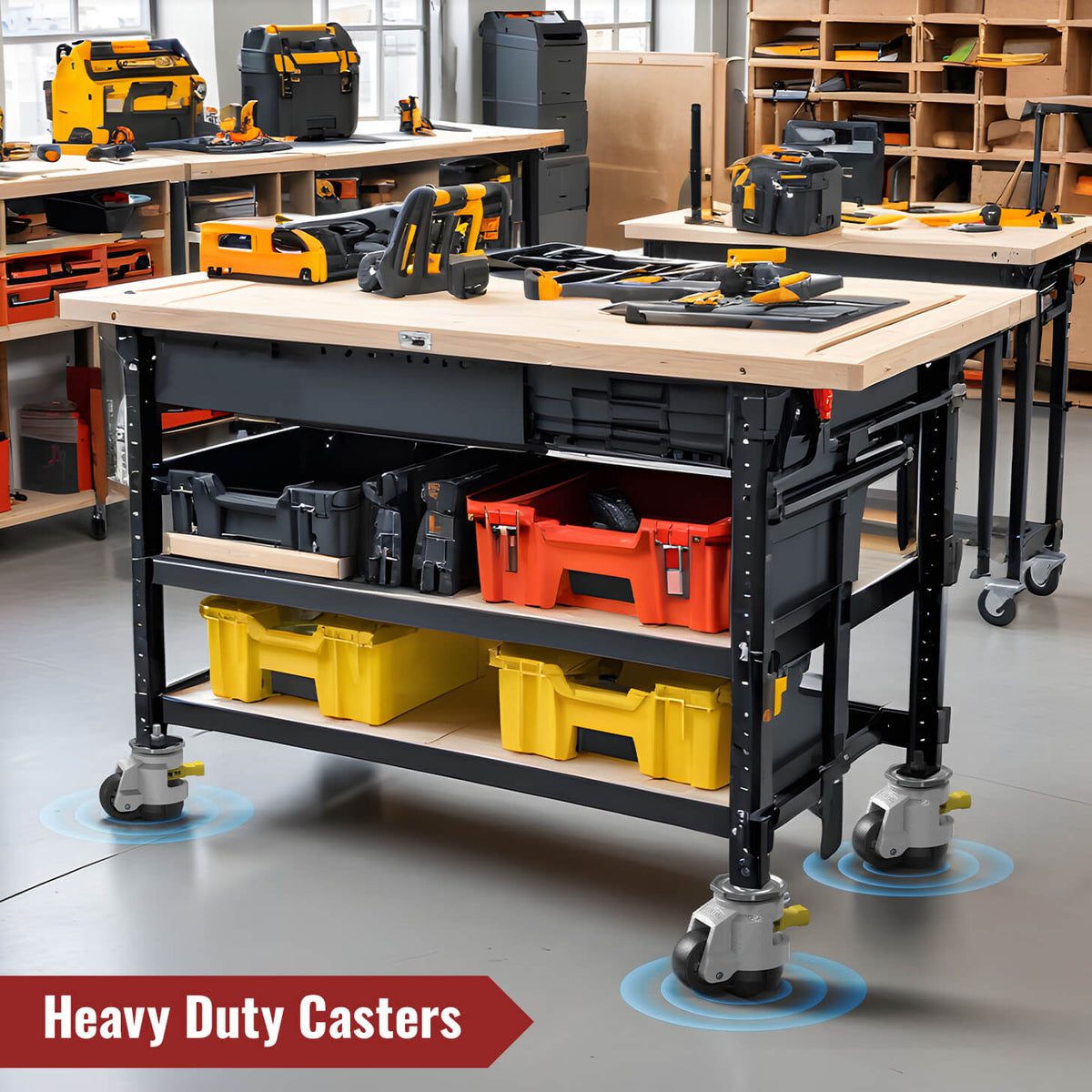
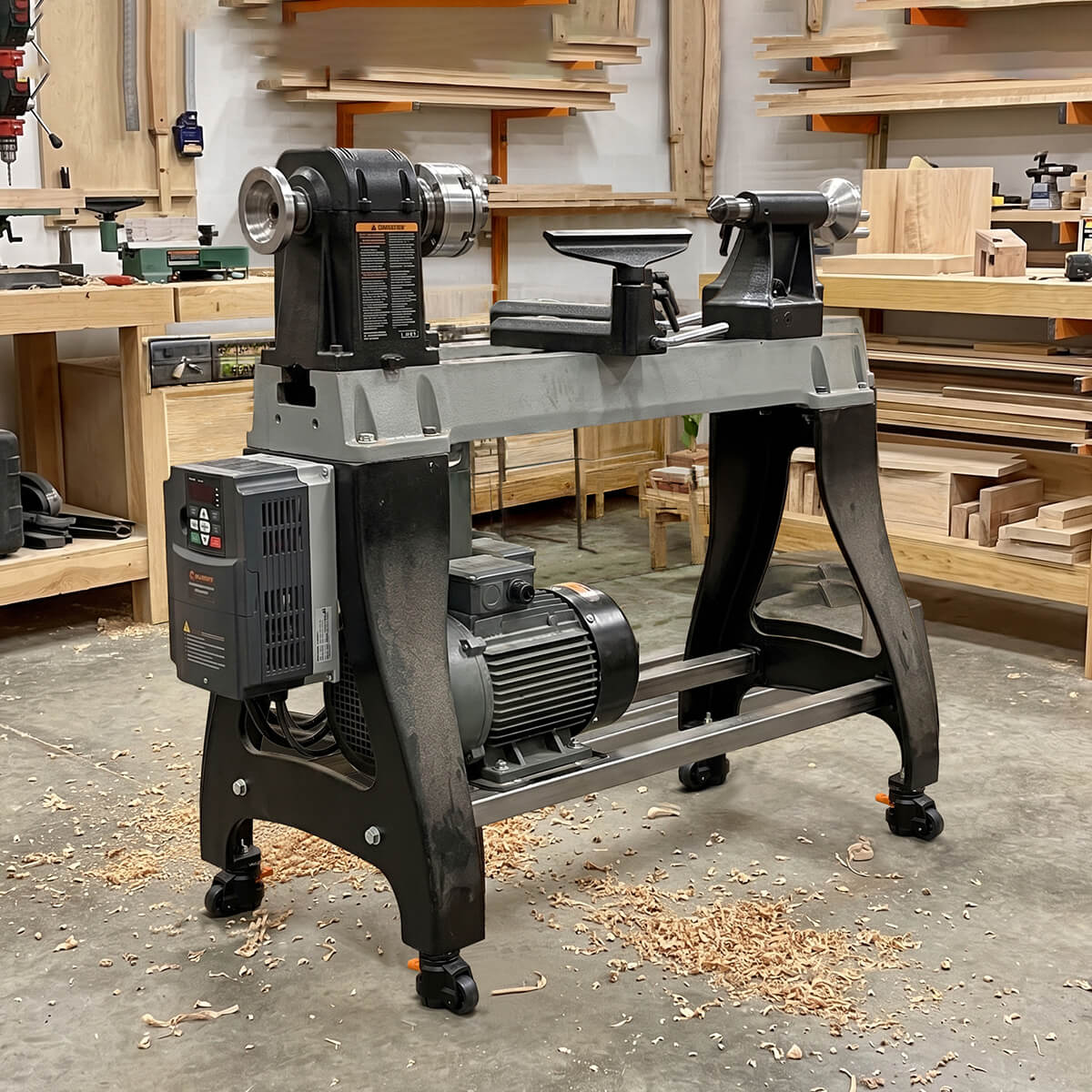
- Industrial Equipment: Heavy machinery that requires frequent relocation.
- Medical Devices: Hospital beds and equipment that need mobility and stability.
- Retail Displays: For easy rearrangement of merchandise.
Understanding the application will help narrow down the type of caster you need.
2. Consider the Weight Capacity
Every caster has a specific weight capacity, which indicates the maximum load it can safely support. When selecting a caster, consider:
- Total Load: Calculate the combined weight of the object and its contents.
- Safety Margin: It's advisable to choose casters that can support at least 20-30% more weight than your calculated load to ensure safety and durability.
Ensure that the casters you select are rated appropriately for the weight they will carry.
3. Wheel Size and Material
The size and material of the wheel play a crucial role in performance. Consider the following:
-
Wheel Diameter: Larger wheels roll more easily over obstacles and uneven surfaces, making them suitable for rough terrains. Smaller wheels are ideal for smooth surfaces but may struggle on carpets or thresholds.
-
Material: Common materials for caster wheels include:
- Rubber: Offers good grip and is ideal for hard floors.
- Polyurethane: Durable and versatile, suitable for various surfaces.
- Nylon: Lightweight and resistant to chemicals but may scratch floors.
Choosing the right size and material will enhance the mobility and longevity of the casters.
4. Swivel vs. Rigid Casters
Another essential consideration is the type of caster you need—swivel or rigid.
-
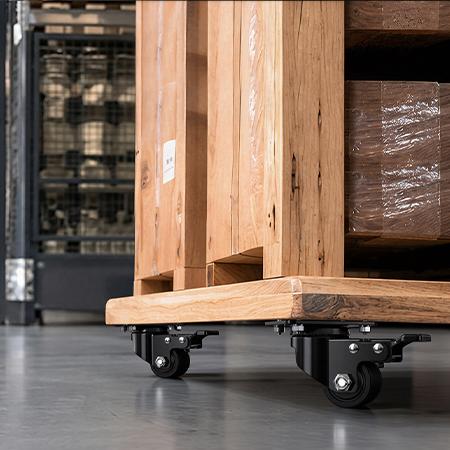
Swivel Casters: These allow for multidirectional movement, making them ideal for tight spaces where maneuverability is essential. They can rotate 360 degrees, providing flexibility.
-
Rigid Casters: These only move in a straight line and are best suited for stable applications where direction changes are minimal. They are often used in conjunction with swivel casters for a balanced setup.
Consider your mobility needs when deciding between swivel and rigid casters.
5. Brake Options
Braking mechanisms are crucial for safety and stability, especially in settings where objects need to remain stationary. Consider the following brake options:
- Total Lock Brake: Locks both the wheel and the swivel, providing maximum stability.
- Directional Lock Brake: Locks the swivel, allowing the wheel to roll but preventing it from turning.
- Wheel Brake: Engages only the wheel, allowing for some movement while preventing rolling.
Choosing the right braking option will enhance safety and ease of use.
6. Floor Type Compatibility
Different wheel casters perform better on specific floor types. Consider the following:
- Hard Floors: Casters with softer wheels (like rubber or polyurethane) work best to prevent damage and provide better grip.
- Carpeted Floors: Larger wheels are generally better for rolling over carpet, while smaller wheels may get stuck.
Evaluate the flooring in your application area to ensure optimal performance.
7. Aesthetic Considerations
While functionality is crucial, the appearance of the casters should not be overlooked, especially for furniture. Choose casters that complement the style of your furniture or equipment. Options vary from sleek modern designs to classic styles, allowing you to maintain the aesthetic integrity of your space.
8. Budget Considerations
Finally, consider your budget. While it may be tempting to opt for the cheapest option, investing in high-quality casters can save money in the long run by reducing replacement costs and ensuring safety. Look for reputable brands, like HOLKIE, that offer durability and reliability without compromising quality.
Conclusion
Choosing the right wheel caster involves careful consideration of various factors, including application, weight capacity, wheel size and material, type (swivel or rigid), brake options, floor compatibility, aesthetics, and budget. By taking the time to evaluate these aspects, you can ensure that you select the best wheel casters for your specific needs, enhancing functionality and convenience in your space.
If you're looking for high-quality wheel casters that combine durability, style, and performance, consider exploring HOLKIE's range of products. Our casters are designed to meet diverse needs, ensuring that you find the perfect solution for your furniture and equipment. For further inquiries or personalized advice, feel free to reach out to us.




What Factors Should You Consider When Choosing Wheel Casters for Heavy-Duty Equipment?
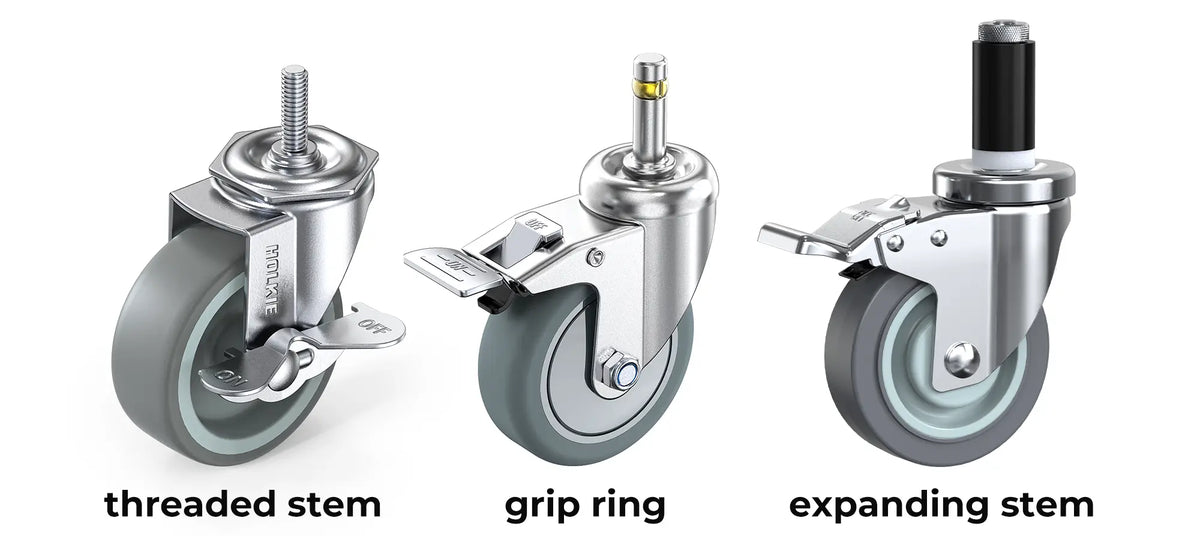
How many Top Plate Caster Types?