
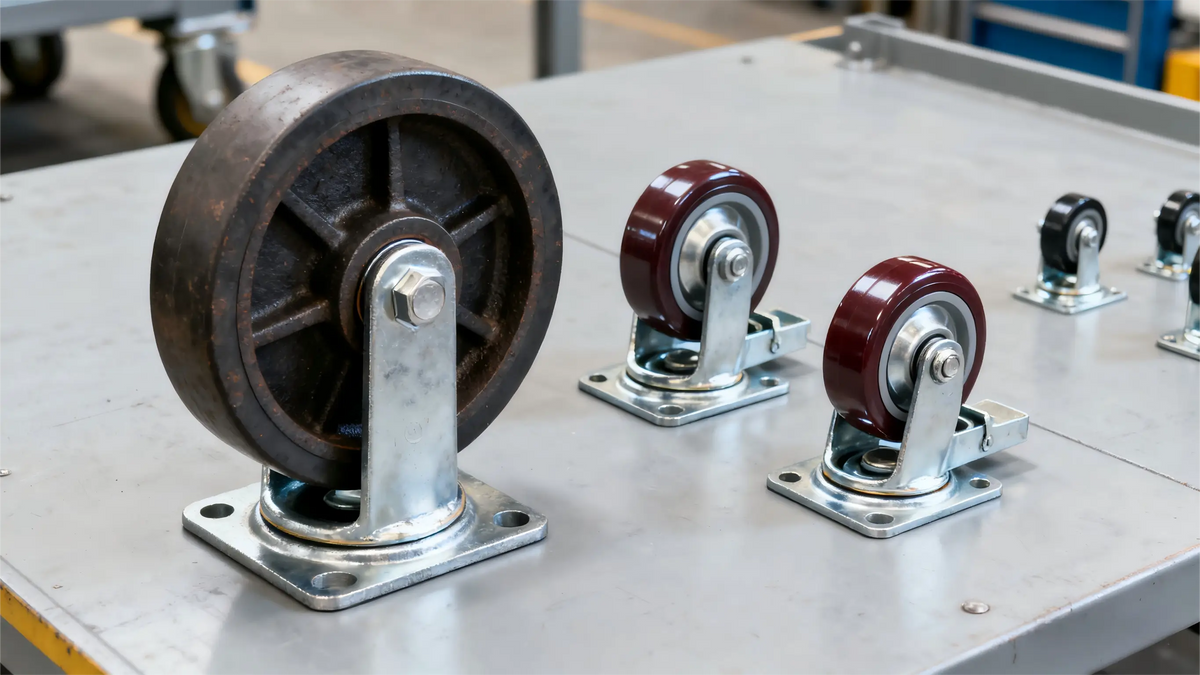
Wheel casters are an essential component for heavy-duty equipment in industrial, commercial, and residential settings. Whether moving massive machinery in a warehouse or transporting medical equipment in a hospital, the right caster ensures smooth operation, safety, and efficiency. However, with the variety of options available, selecting the best wheel caster can be challenging.
This article explores the key factors to consider when choosing wheel casters for heavy-duty equipment.
Load Capacity: Understanding Weight Limits
The primary factor to evaluate when choosing wheel casters is load capacity. Casters must support the total weight of the equipment, plus any additional load it carries.
How to Calculate Load Capacity
- Add the weight of the equipment and the maximum potential load.
- Divide the total by the number of casters. For example, if the equipment weighs 2,000 lbs and will have four casters, each caster must support at least 500 lbs.
Selecting casters with a higher load capacity than required provides an added safety margin and reduces wear and tear.

Wheel Material: Matching the Surface
The surface where the caster will roll significantly impacts the choice of wheel material. Different environments require specific materials for optimal performance and durability.
Popular Caster Wheel Materials
- Polyurethane: Ideal for smooth indoor floors, providing a quiet operation and protecting surfaces from scratches.
- Steel: Suitable for rough and uneven surfaces, offering excellent durability for heavy loads.
- Rubber: Provides shock absorption and traction, making it great for sensitive equipment.
- Nylon: Resistant to chemicals and extreme temperatures, often used in manufacturing or chemical plants.
Matching the wheel material to the surface ensures better mobility, longevity, and safety.
Type of Caster: Fixed, Swivel, or Retractable
Understanding the functionality of different caster types is crucial in ensuring smooth operation.
Fixed Casters
- Move in a straight line.
- Provide stability and control for heavy loads.
Swivel Casters
- Rotate 360 degrees for maneuverability.
- Ideal for navigating tight spaces or making frequent turns.
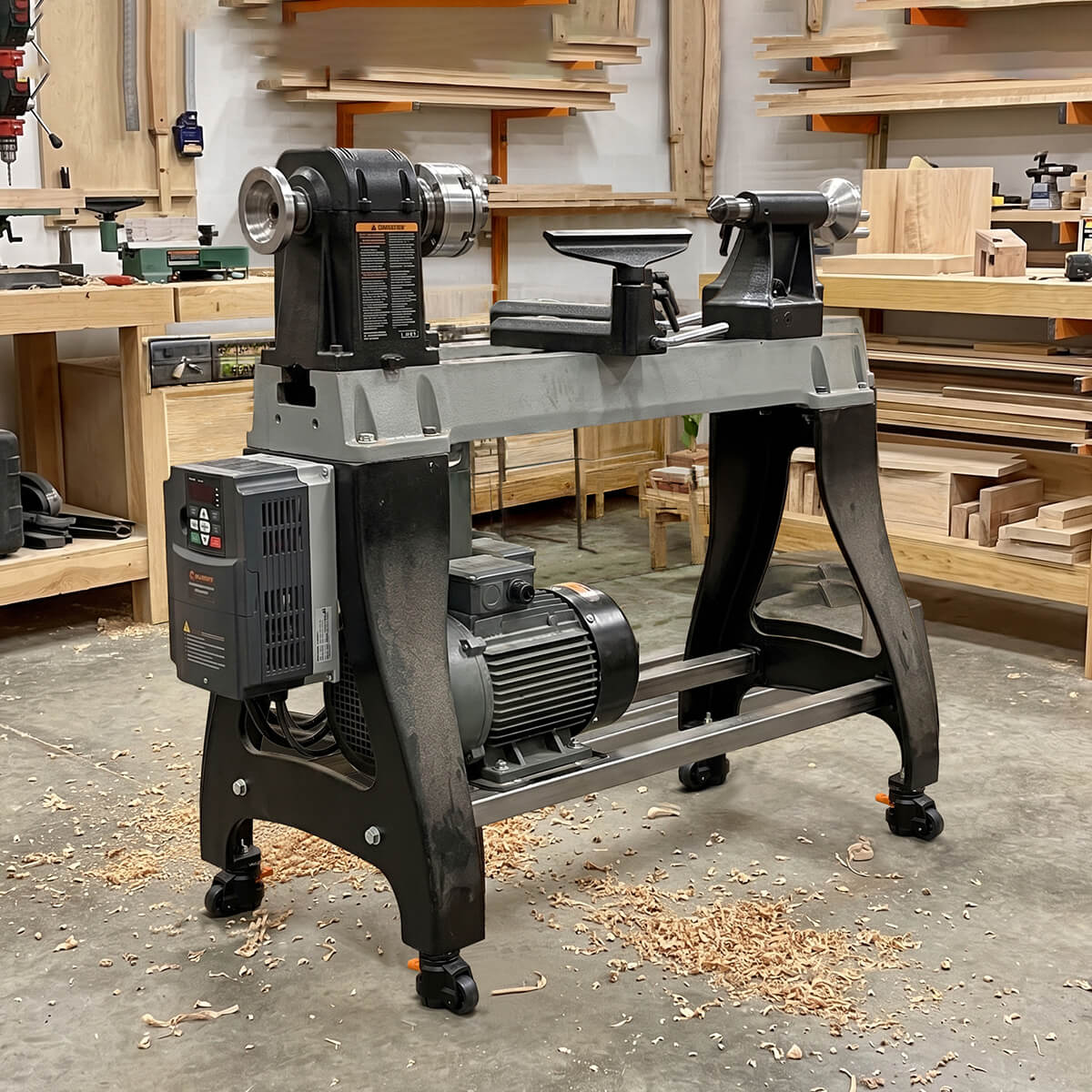
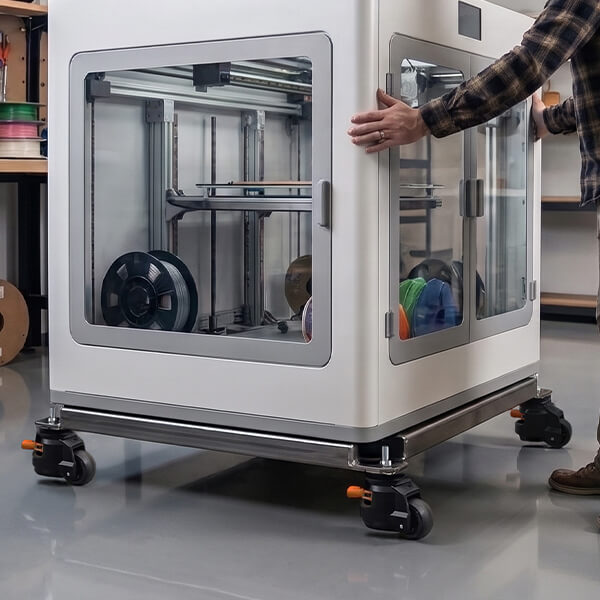
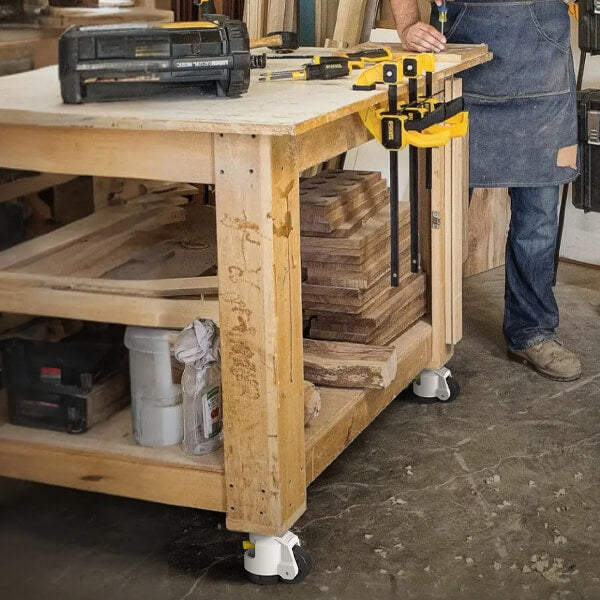
Retractable Casters
- Offer adjustable height and load-bearing flexibility.
- Common in equipment that requires both mobility and stationary use.
Selecting the right type of caster depends on the specific application and movement requirements.
Wheel Diameter: Bigger Is Often Better
The size of the wheel affects mobility, load capacity, and ease of movement. Larger wheels roll more easily over obstacles like debris, thresholds, or uneven floors.
Guidelines for Choosing Wheel Diameter
- Use larger wheels for heavier loads and rough surfaces.
- Opt for smaller wheels for lighter loads and smooth surfaces where low profile equipment is needed.
Environmental Conditions: Durability Matters
The operating environment plays a critical role in determining the best caster material and design. Extreme conditions can degrade casters if not chosen correctly.
Key Environmental Factors
- Temperature: High heat or freezing conditions require temperature-resistant materials like nylon or high-grade stainless steel.
- Moisture: For wet environments, choose corrosion-resistant casters made of stainless steel or polyurethane.
- Chemicals: Manufacturing or lab environments with chemical exposure necessitate chemical-resistant casters.
Selecting casters built for specific environments increases longevity and performance.
Safety Features: Prioritizing Stability
Safety is a critical concern when using heavy-duty casters. Features like locking mechanisms, brakes, and stabilizers enhance safety by preventing unintended movement or accidents.
Popular Safety Features
- Wheel Locks: Secure the wheel in place to prevent rolling.
- Directional Locks: Keep casters aligned for straight-line movement.
- Brakes: Stop both wheel rotation and swivel movement for maximum stability.
Safety features are particularly important in industries like healthcare, construction, and warehousing.
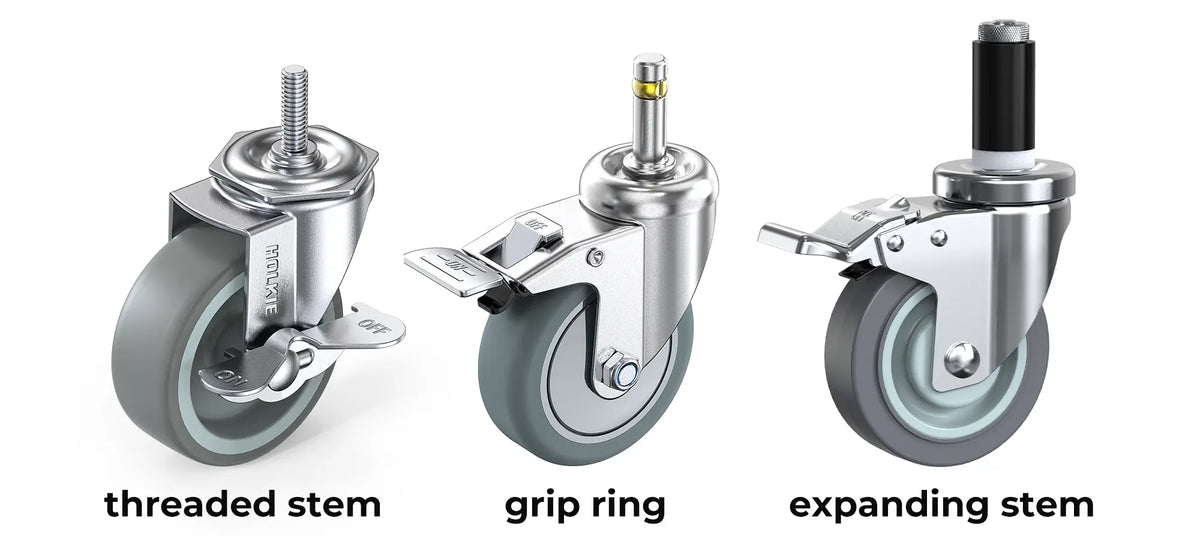
Mounting Options: Ensuring Proper Installation
Casters can be mounted in several ways, and the choice of mounting affects stability and load distribution.
Common Mounting Types
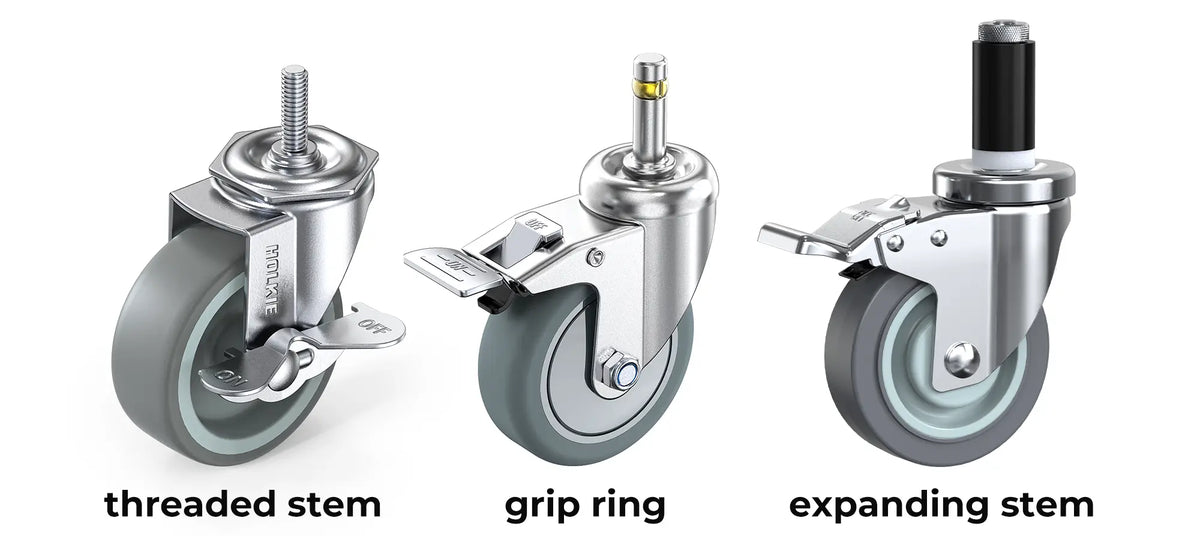
- Plate Mounting: Provides a stable and secure connection for heavy loads.
- Stem Mounting: Offers versatility but is typically used for lighter equipment.
- Bolt-On Casters: Allow for easy replacement and adjustability.
Consider the mounting type based on the equipment’s weight and intended use.
Maintenance Needs: Long-Term Performance
Regular maintenance ensures the longevity and optimal performance of casters. Some casters require minimal upkeep, while others need more frequent inspections.
Maintenance Tips
- Lubricate swivel bearings and wheel axles regularly to reduce friction.
- Check for wear and tear on wheels and replace if necessary.
- Tighten bolts and mounting plates to prevent instability.
Investing in casters with low-maintenance designs can save time and costs in the long run.
Why Choosing the Right Casters Matters
Choosing the right casters for heavy-duty equipment impacts not only functionality but also efficiency, safety, and cost-effectiveness. Here’s why this decision is so important:
Improved Workflow
Casters tailored to specific applications enhance mobility and reduce the time spent moving heavy equipment.
Enhanced Safety
Safety features reduce the risk of workplace accidents, protecting both employees and equipment.
Cost Savings
Durable and high-quality casters reduce replacement frequency and maintenance costs.
Conclusion
Selecting the right wheel casters for heavy-duty equipment involves understanding key factors like load capacity, wheel material, caster type, and environmental conditions. By carefully evaluating these elements, businesses and individuals can ensure better performance, safety, and durability.
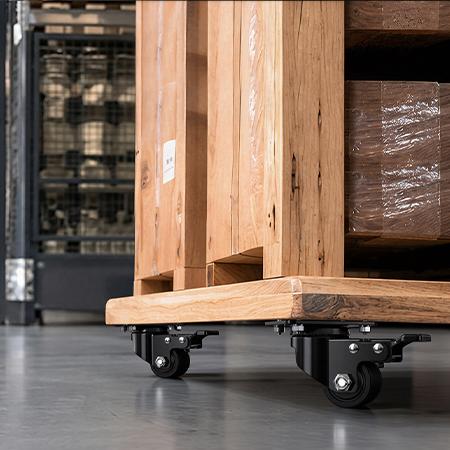
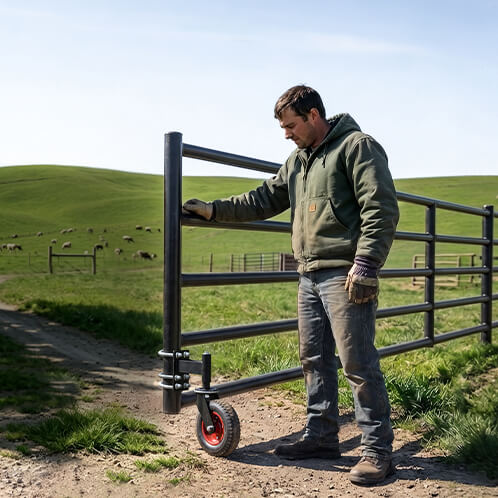
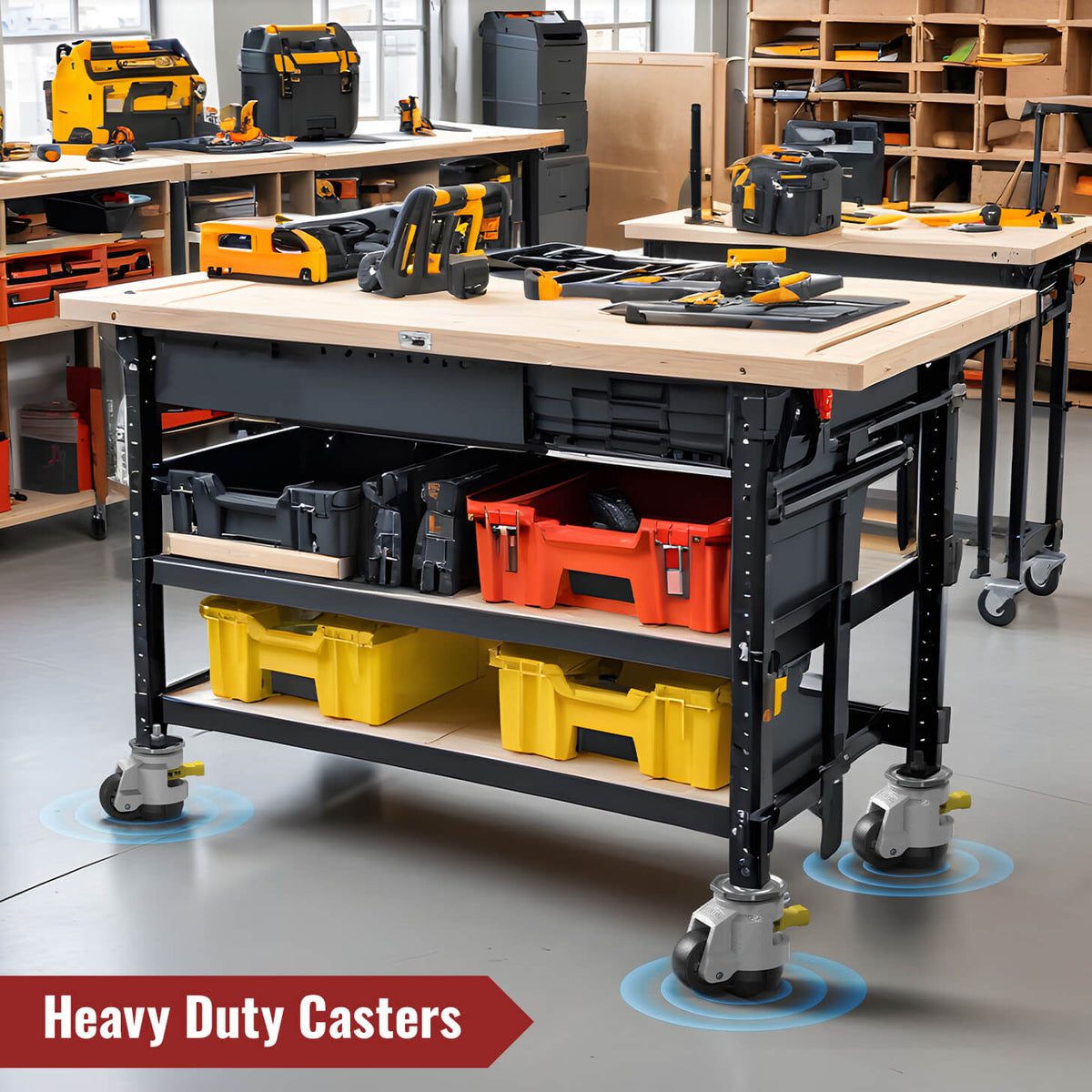




How Do You Choose the Right Retractable Casters for Your Needs?
How to Choose the Right Wheel Caster for Your Needs?