
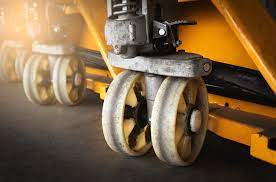
If you find yourself facing the frustration of a failed factory cart caster wheels, you're not alone. Wheel failures can halt operations and lead to downtime. However, before rushing to replace the wheel, it's crucial to understand why it failed in the first place. In this guide, we'll explore the seven main reasons for factory cart caster wheels failures and provide insights into choosing suitable replacements.
Kingpin/Raceway Failure
Many factory cart casters feature a kingpin or rivet that holds the raceway together, making them prone to failure. Kingpins are often the leading cause of caster failures due to the concentrated weight they bear. To address this, consider replacing old casters with kingpinless or maintenance-free alternatives. These alternatives distribute stress more effectively, ensuring durability and often requiring no maintenance.
Tread De-Bonding
When the tread on wheels separates from the hub, known as de-bonding, it can result from poor-quality adhesive or exposure to harsh conditions. To avoid this, invest in quality factory cart caster wheels from reputable manufacturers with a track record for using reliable bonding materials.
Wheel Axle Bearings Failure
Inadequate lubrication is a common cause of wheel axle bearing failure. Choosing wheels and casters with sealed precision ball bearings can mitigate this issue. Sealed bearings distribute loads efficiently, reduce friction, and require less maintenance.
Forks Issues
Forks can bend or fracture due to heavy impact or overloading. Operator training is crucial to prevent collisions, and using wheels rated for your cart's weight capacity is essential. Select replacement wheels and casters that match the demands of your specific application.
Wheel Cracking
Cracking in wheels is often a result of using the wrong wheel material for the application. Soft rubber wheels become brittle outdoors, and polyurethane wheels may crack under excessive loads. Choose wheels with compounds tailored to your loads and application requirements.
Debris Retention
Hard wheels can collect debris, damaging floors over time. Wheels made from durable polyurethane, with a focus on high resilience, can reject debris and reduce floor damage. Ensure the polyurethane selected is suitable for your application.
Excessive Noise
If noise regulations are a concern, opt for caster wheels with high-rebound resiliency, such as quality polyurethane. These wheels store and release energy, minimizing vibrations and creating a quieter operation.
Conclusion:
To prevent recurring issues with factory cart caster wheels, replacing them with purpose-built units is essential. Understanding the specific reasons for failures allows for informed decisions when selecting replacements. Whether it's opting for maintenance-free casters, choosing quality bonding materials, or selecting wheels with the right compounds, a strategic approach to replacement can enhance the longevity and efficiency of your factory cart.
Remember, investing in casters wheels from reputable manufacturers ensures that the replacements are designed and engineered to meet the demands of your unique application, providing a reliable and long-lasting solution for your factory cart needs.



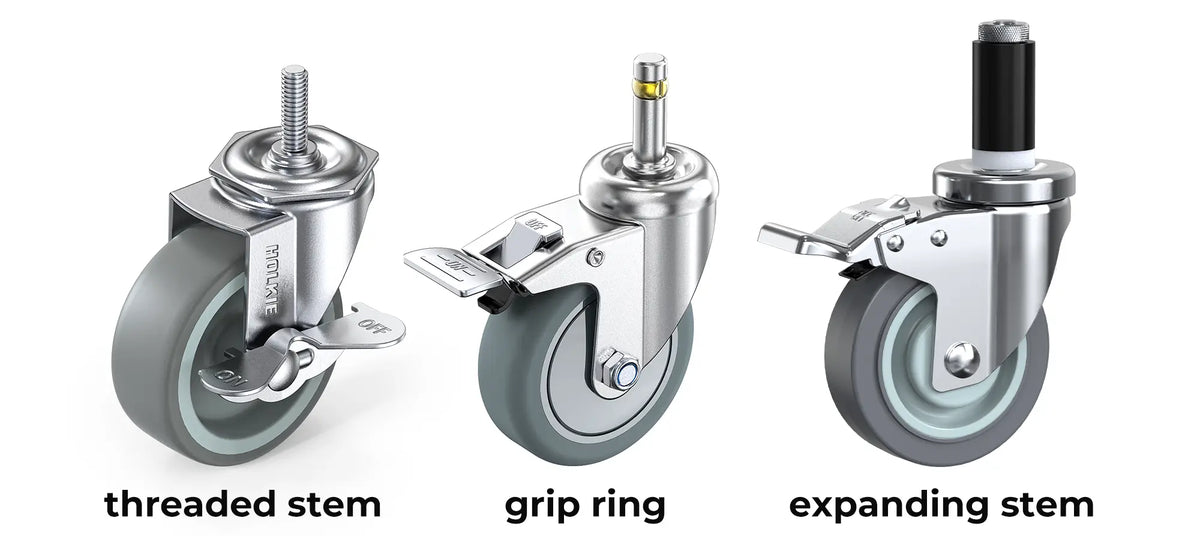

Unlocking Mobility: Exploring the Versatility of Stem Casters
A Comprehensive Checklist for Choosing an Industrial Caster Wheel Manufacturer