
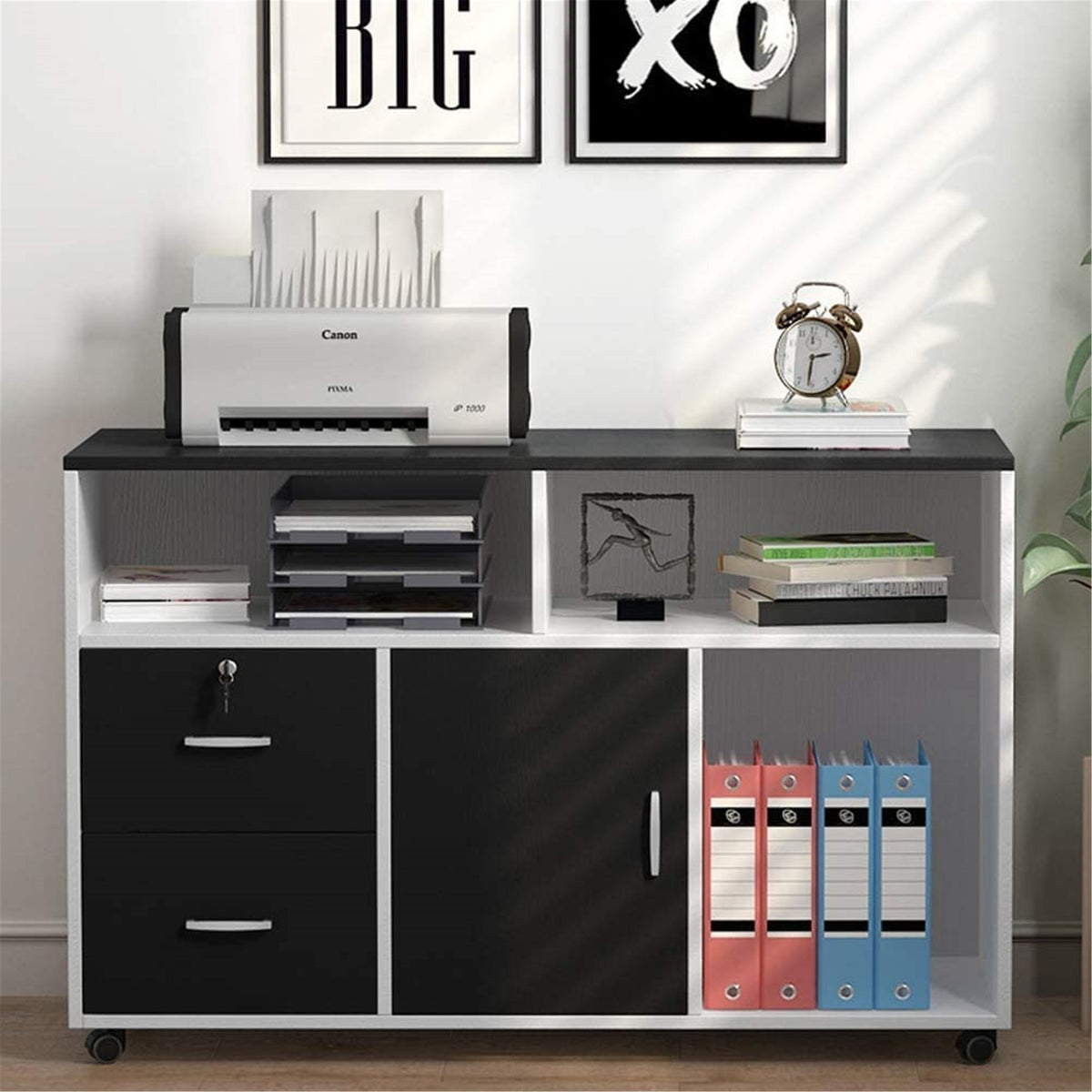
Caster wheels are available in a variety of materials, each offering unique properties and benefits. At HOLKIE Casters, we understand the importance of selecting the right wheel material for your specific application. In this article, we'll provide a comparative analysis of the most common wheel materials used in caster wheels, helping you make an informed decision:
Rubber Wheels
Advantages
Excellent shock absorption, making them ideal for indoor applications.
Quiet operation and good traction on smooth surfaces.
Resistant to most chemicals and oils, prolonging their lifespan.
Disadvantages
Can leave marks on certain types of flooring.
Not suitable for outdoor use or rough terrain.
Polyurethane Wheels
Advantages
High load-bearing capacity, making them suitable for heavy-duty applications.
Excellent resistance to abrasion, chemicals, and oils.
Quiet operation and good traction on various surfaces.
Disadvantages
More expensive than rubber wheels.
May develop flat spots if overloaded or subjected to excessive pressure.
Nylon Wheels
Advantages
High load-bearing capacity, making them ideal for heavy-duty applications.
Excellent resistance to abrasion and chemicals.
Suitable for use on rough terrain and outdoor environments.
Disadvantages
Less shock absorption compared to rubber wheels.
May be noisy on certain types of flooring.
Cast Iron Wheels
Advantages
Extremely durable and long-lasting.
High load-bearing capacity, suitable for heavy-duty applications.
Resistant to high temperatures and harsh environments.
Disadvantages
Heavier than other wheel materials.
Not suitable for use on delicate flooring.
Phenolic Resin Wheels
Advantages
High load-bearing capacity, suitable for heavy-duty applications.
Resistant to most chemicals and oils.
Non-marking and suitable for use on a variety of flooring types.
Disadvantages
Not as shock-absorbent as rubber wheels.
Can be noisy on certain types of flooring.
Conclusion
Selecting the right wheel material for your caster wheels is essential to ensure optimal performance and longevity. Consider the specific requirements of your application, such as load capacity, floor type, and environmental conditions, when choosing the wheel material. At HOLKIE Casters, we offer a wide range of caster wheels made from various materials, ensuring that you find the perfect match for your needs.
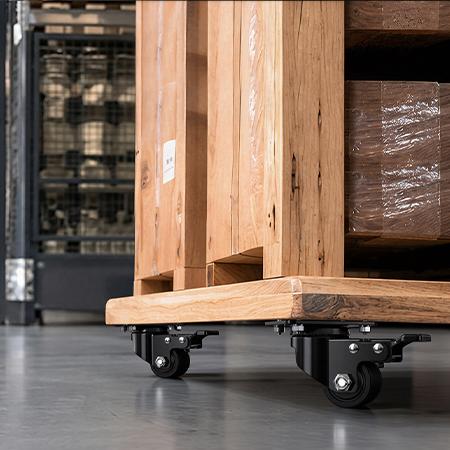




5 Step Guide to Caster Wheel Installation – Top Plate Casters
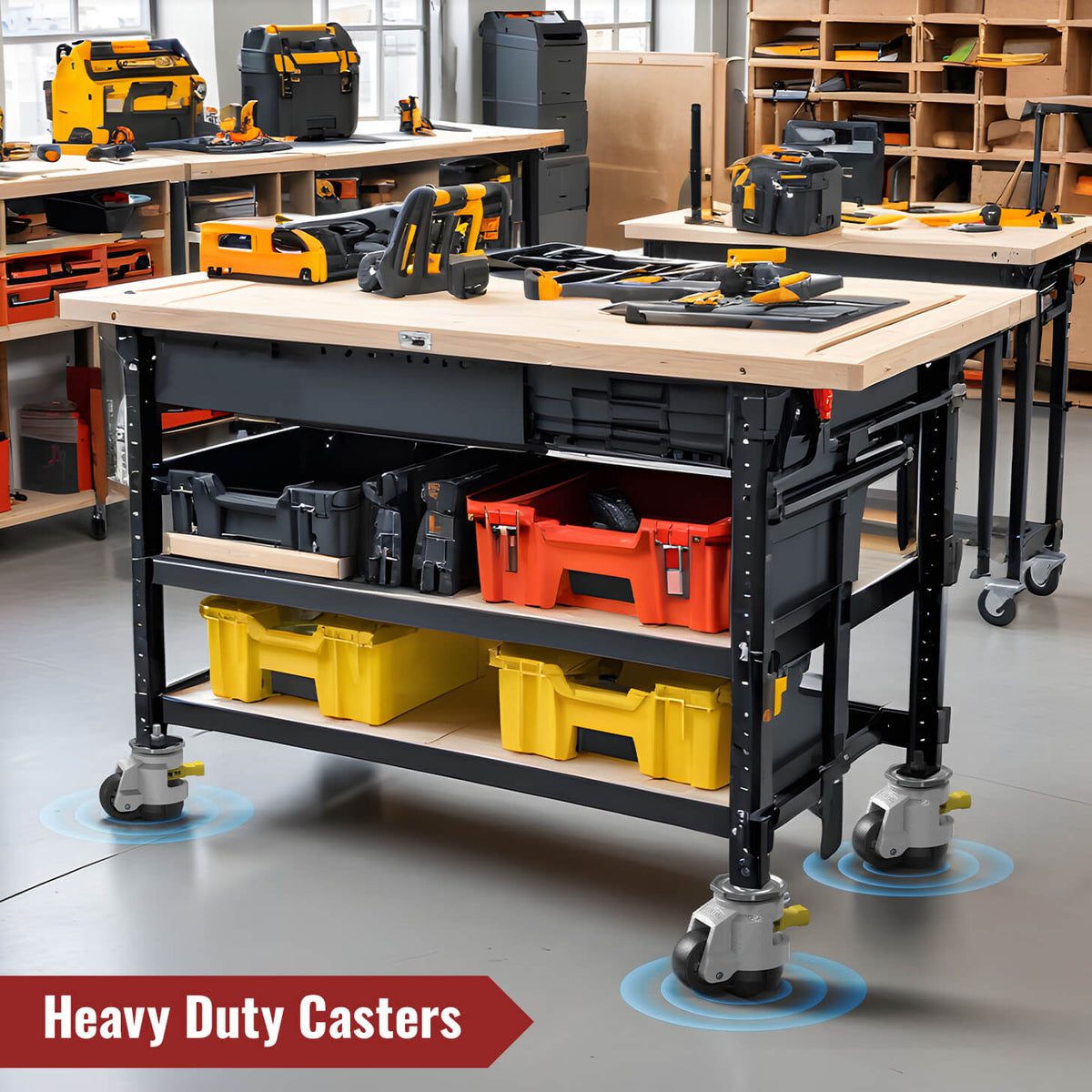
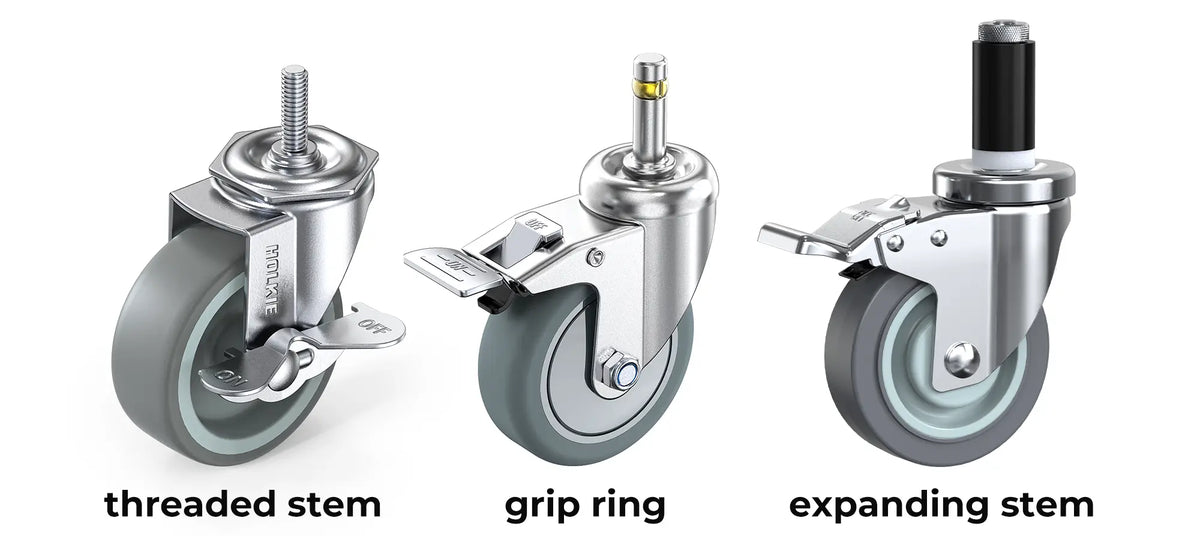
Navigating Efficiency: The Dynamics of Stem Casters Unveiled