
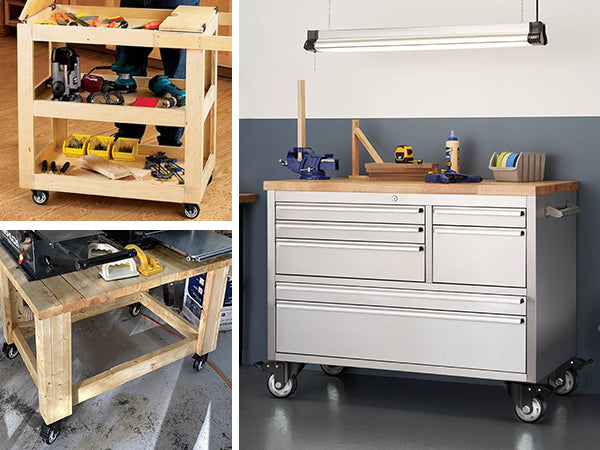
Caster wheels are a crucial component in various applications, providing mobility and ease of movement. One of the key considerations when selecting caster wheels is their weight capacity. Understanding how much weight caster wheels can hold is essential to ensure their safe and efficient use. Let's explore the factors that determine the weight capacity of caster wheels and how to choose the right ones for your needs.
Factors Affecting Weight Capacity
Wheel Material
The material of the wheel plays a significant role in determining its weight capacity. Caster wheels are commonly made of materials such as rubber, polyurethane, nylon, and metal. Each material has its own weight capacity, with metal wheels generally being able to support heavier loads compared to rubber or polyurethane wheels.
Wheel Size
The size of the wheel also affects its weight capacity. Larger wheels distribute weight more evenly, allowing them to support heavier loads. Smaller wheels, on the other hand, may be limited in the amount of weight they can support.
Wheel Design
The design of the wheel, including its tread pattern and width, can impact its weight capacity. Wheels with a wider tread and a more robust design are typically able to support heavier loads.
Caster Type
The type of caster (e.g., swivel caster, rigid caster) can also affect weight capacity. Swivel casters, which allow for greater maneuverability, may have a lower weight capacity compared to rigid casters, which provide more stability.
Mounting Type
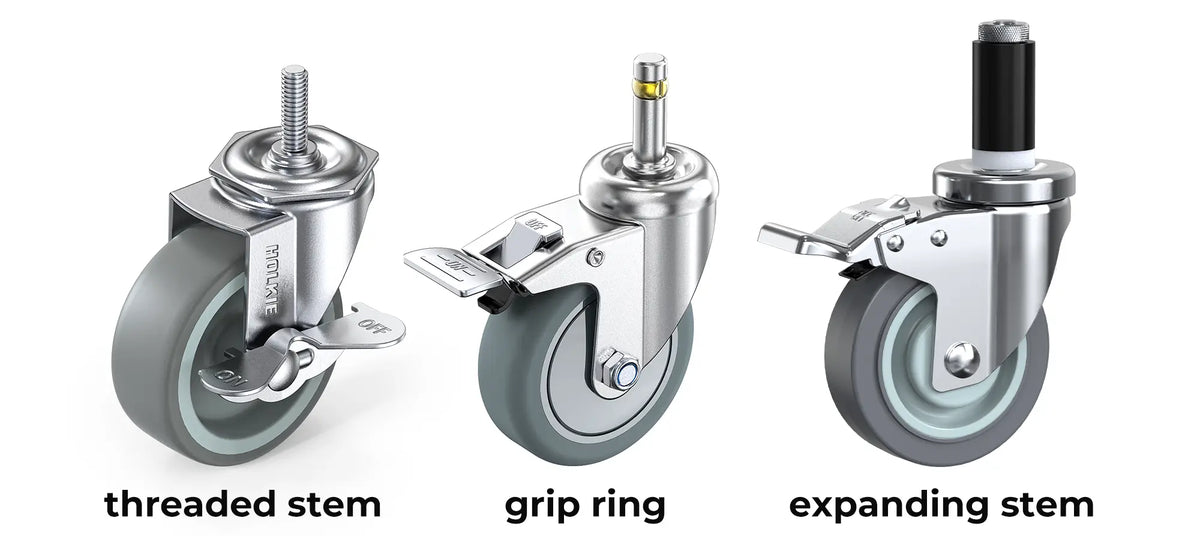
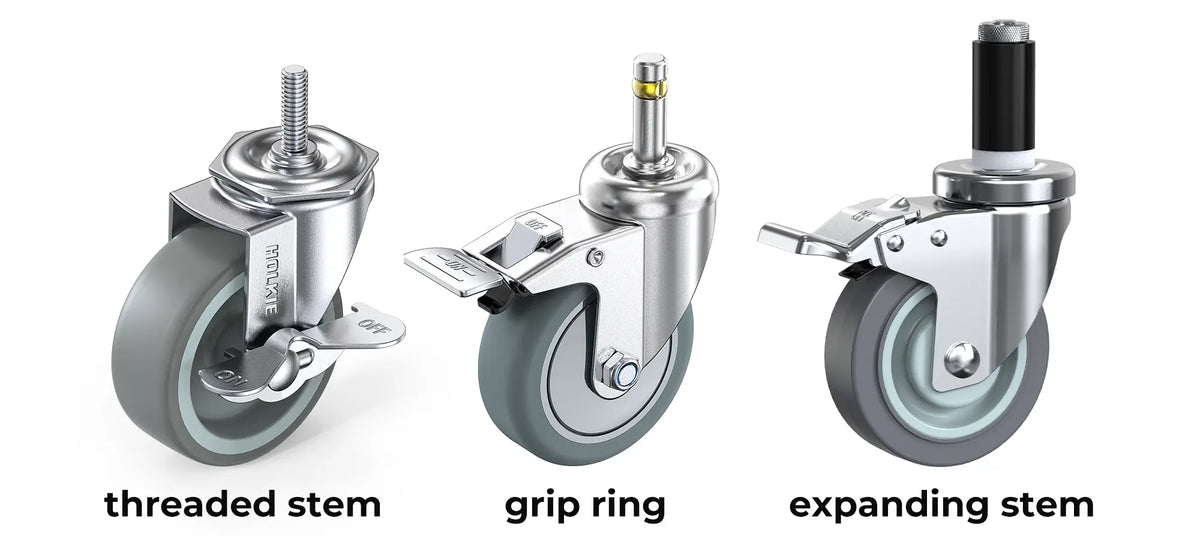
The mounting type of the caster (e.g., plate mount, stem mount) can also impact weight capacity. Plate mount casters, which distribute weight over a larger area, are generally able to support heavier loads compared to stem mount casters.
Determining Weight Capacity
The weight capacity of caster wheels is typically specified by the manufacturer and is expressed in pounds or kilograms. It is important to adhere to the manufacturer's weight capacity guidelines to ensure the safe operation of the caster wheels. Exceeding the weight capacity can lead to premature wear and failure of the wheels, compromising safety and efficiency.
Choosing the Right Caster Wheels
When selecting caster wheels, it is essential to consider the weight of the load that the wheels will be supporting. Here are some tips for choosing the right caster wheels based on weight capacity:
Know the Weight of the Load
Determine the weight of the load that the caster wheels will be supporting. This will help you select wheels with an appropriate weight capacity.
Consider Safety Factors
It is advisable to choose caster wheels with a weight capacity that exceeds the actual weight of the load. This provides a safety margin and helps prevent overloading of the wheels.
Consult the Manufacturer
If you are unsure about the weight capacity of caster wheels, consult the manufacturer or a knowledgeable supplier. They can provide guidance based on your specific requirements.
Consider the Environment
In addition to weight capacity, consider the environment in which the caster wheels will be used. Factors such as floor surface, temperature, and moisture levels can affect the performance of the wheels.
Conclusion
Caster wheels play a crucial role in enabling mobility in various applications. Understanding how much weight caster wheels can hold is essential to ensure their safe and efficient use. By considering factors such as wheel material, size, design, caster type, and mounting type, you can choose the right caster wheels for your needs and ensure the safe movement of your equipment and materials.
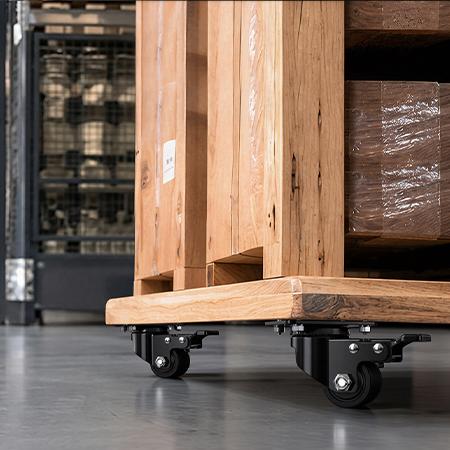
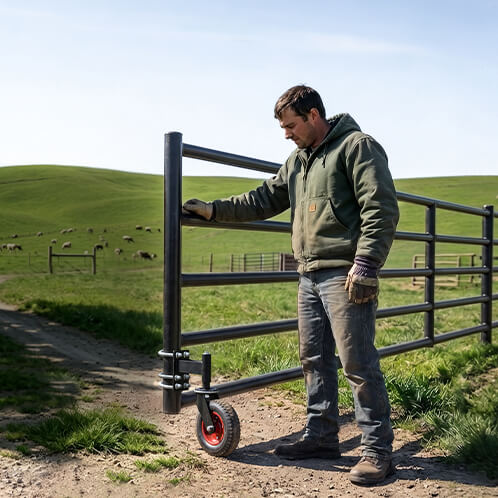
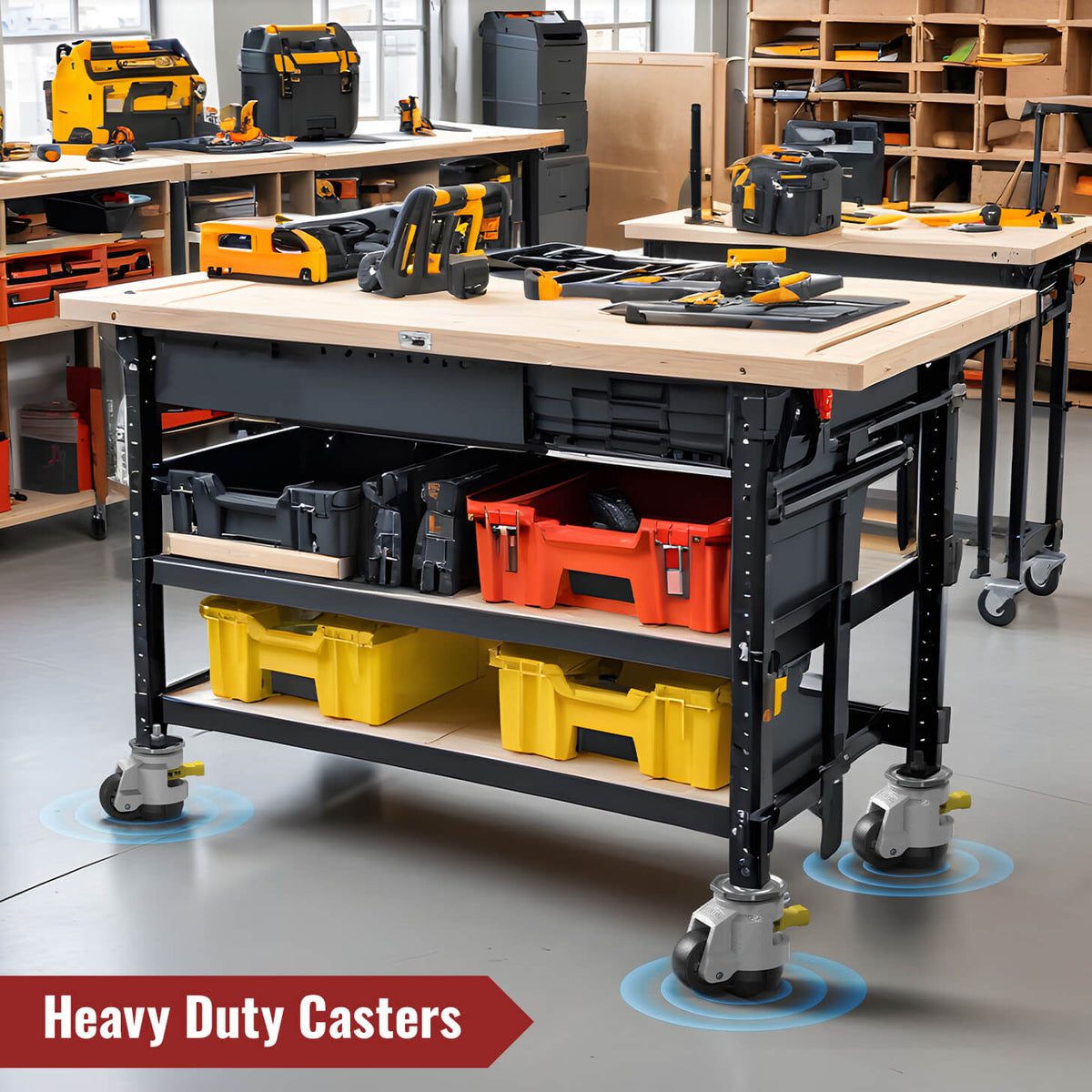




Navigating Efficiency: The Dynamics of Stem Casters Unveiled
Unlocking Mobility: Exploring the Versatility of Stem Casters