
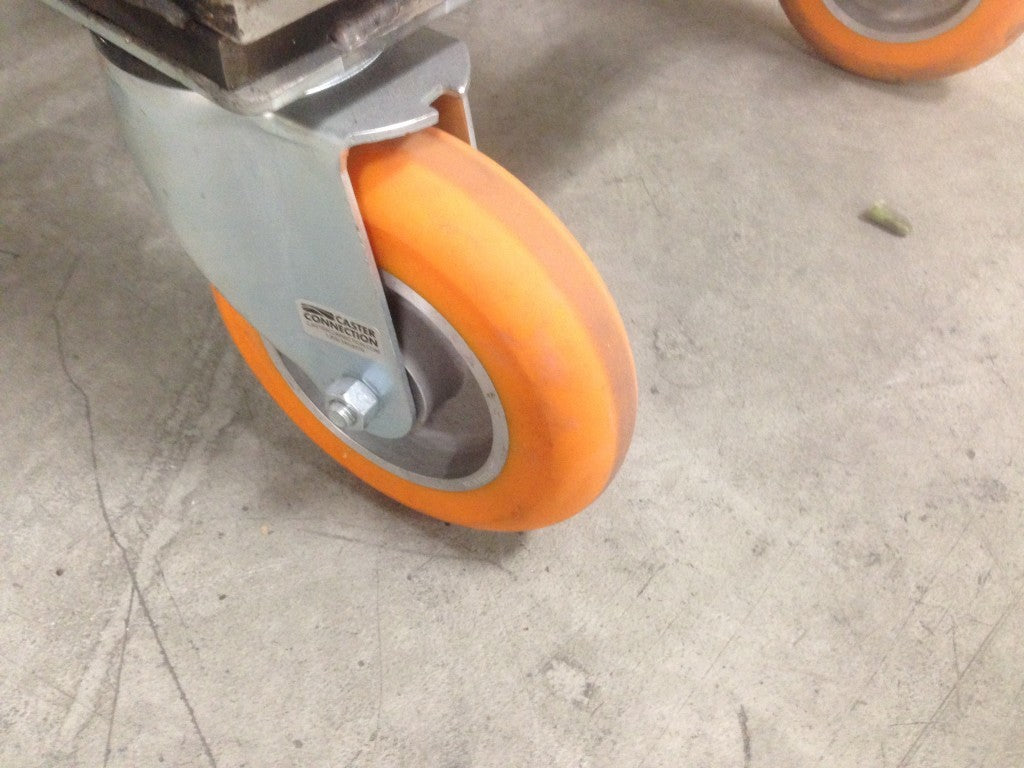
When it comes to selecting wheel casters for heavy-duty applications, the material of the caster plays a crucial role in determining its performance, durability, and suitability for specific environments. With so many options available, choosing the right material can be challenging. This article explores the best materials for heavy-duty wheel casters, focusing on their advantages, disadvantages.
Why Material Matters for Heavy-Duty Casters The material of a caster directly affects its load capacity, resistance to wear and tear, and ability to handle various floor types. Heavy-duty casters are often used in industrial settings, warehouses, and medical facilities where durability and reliability are non-negotiable.
Choosing the wrong material can lead to frequent replacements, floor damage, or even accidents. Therefore, understanding the pros and cons of each material ensures you make an informed decision tailored to your specific needs.
Top Materials for Heavy-Duty Wheel Casters
Steel
Steel is one of the most robust materials used in heavy-duty casters. Known for its incredible strength and load-bearing capacity, steel casters are ideal for industrial applications requiring the movement of extremely heavy equipment.
Advantages:
- Can support very high loads, often exceeding several tons.
- Resistant to deformation under stress.
- Performs well in harsh conditions, including heat and cold.
Disadvantages:
- Can damage delicate flooring if not paired with protective coatings.
- Heavier compared to other materials, which can make it less maneuverable.
Steel casters are a go-to choice for factories and construction sites where strength is paramount. Adding a protective polyurethane or rubber coating can minimize floor damage.
Polyurethane
Polyurethane is a versatile material often used for heavy-duty casters due to its combination of durability and flexibility. It’s suitable for environments where noise reduction and floor protection are important.
Advantages:
- High load-bearing capacity with excellent resistance to wear and tear.
- Provides smooth, quiet operation.
- Protects floors, making it ideal for indoor applications.
- Resistant to oil, grease, and some chemicals.
Disadvantages:
- Not as heat-resistant as steel or aluminum.
- Prone to degradation in extremely wet or humid environments.
Polyurethane casters are frequently used in warehouses, hospitals, and retail settings, making them an all-rounder for environments requiring both durability and floor protection.
Rubber
Rubber casters are known for their excellent grip and floor-friendly nature. While they are not as strong as steel or polyurethane, they are ideal for medium-heavy loads on delicate floors.
Advantages:
- Absorbs shocks and vibrations effectively.
- Protects flooring from scratches and scuffs.
- Quieter than other materials during movement.
Disadvantages:
- Limited load-bearing capacity compared to steel and polyurethane.
- Can wear out quickly in industrial environments.
Rubber casters are popular in hospitality and healthcare industries where noise reduction and smooth movement are prioritized.
Nylon
Nylon is a lightweight yet strong material often used for heavy-duty applications. Its resistance to various chemicals and moisture makes it a reliable choice for industrial and outdoor environments.
Advantages:
- High load capacity relative to its weight.
- Excellent chemical and moisture resistance.
- Performs well on smooth surfaces.
Disadvantages:
- Can damage soft or delicate flooring.
- Generates noise on rough surfaces.
Nylon casters are commonly found in manufacturing facilities and outdoor settings where exposure to chemicals and water is frequent.
Aluminum
Aluminum is a lightweight alternative to steel that offers reasonable strength and corrosion resistance. It’s often used in environments requiring portability and durability.
Advantages:
- Resistant to corrosion, making it ideal for wet or coastal environments.
- Lightweight for easier handling and installation.
- Can handle moderately heavy loads.
Disadvantages:
- Not as strong as steel for extreme weight capacities.
- May be more expensive than other materials.
Aluminum casters are an excellent choice for food service and marine industries where weight and corrosion resistance are critical.
Phenolic Resin
Phenolic resin casters are made from a combination of resin and fiber, offering a unique blend of strength and temperature resistance.
Advantages:
- Extremely high load capacity.
- Resistant to extreme temperatures, including hot and cold environments.
- Lightweight compared to steel.
Disadvantages:
- Can damage flooring if not paired with a protective coating.
- Limited shock absorption.
Phenolic casters are used in environments like bakeries, freezers, and foundries where temperature extremes are common.
Choosing the Right Material for Your Needs
When selecting the best material for your heavy-duty casters, consider the following factors:
- Load Capacity: Steel and phenolic resin are ideal for extremely heavy loads, while polyurethane and rubber are better for lighter applications.
- Floor Type: For delicate flooring, opt for materials like polyurethane or rubber. For rough, industrial surfaces, steel or nylon may be better suited.
- Environment: Consider exposure to chemicals, moisture, or extreme temperatures to determine the most suitable material.
Conclusion Selecting the right material for heavy-duty wheel casters can significantly impact the efficiency and safety of your operations. Steel, polyurethane, rubber, nylon, aluminum, and phenolic resin each offer unique benefits, catering to different environments and requirements.




How Do You Properly Maintain Wheel Casters for Long-Term Use?
How Retractable Casters Balance Floor Protection with Extreme Industrial Loads