

Wheel casters are essential components in various applications, from furniture to industrial machinery. Understanding their evolution not only highlights their significance but also showcases the advancements in design and technology over the years. This article will explore the historical development of wheel casters, from their ancient origins to modern innovations.
The Ancient Beginnings
The concept of mobility through wheels dates back thousands of years. The earliest evidence of wheeled vehicles can be traced to around 3500 BC in Mesopotamia, where wooden wheels were utilized for carts. While these early wheels did not resemble modern casters, they laid the groundwork for future innovations.
The idea of enhancing mobility was further explored by the Greeks and Romans, who used wooden wheels in various applications, including chariots and carts. However, the integration of a swivel mechanism, which is vital for modern casters, was still absent.
The Middle Ages: A Step Forward
During the Middle Ages, the design of wheels and carts underwent significant advancements. The introduction of iron tires improved durability, and larger wheels were developed to facilitate smoother movement over uneven terrains.
While these developments primarily focused on transportation, they indirectly influenced the design of furniture and equipment. As furniture began to evolve, the need for mobility became apparent. Craftsmen started experimenting with different methods to make furniture easier to move, setting the stage for the future of wheel casters.
The Birth of the Modern Caster
The true evolution of wheel casters began in the 19th century. In 1860, the first documented swivel caster was invented by an unknown craftsman, marking a significant turning point in the design of mobility solutions. This innovation allowed furniture and equipment to be moved easily in multiple directions, greatly enhancing convenience.
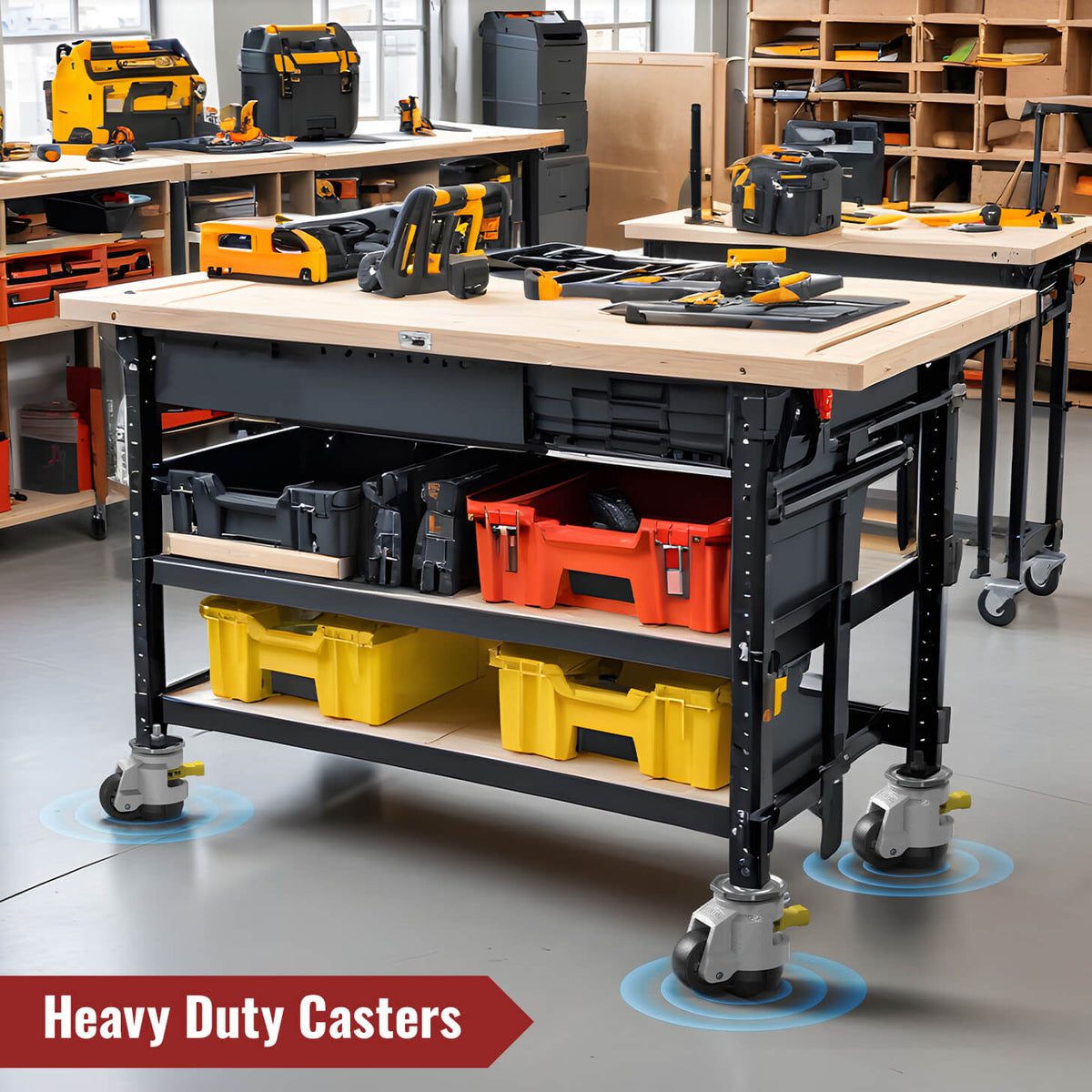
The industrial revolution further accelerated the development of casters. Factories and workshops required mobility solutions for heavy equipment, leading to the creation of heavy-duty casters capable of supporting substantial weights. Materials such as rubber and polyurethane began to be used, providing better grip and reducing floor damage.
Advancements in Materials and Design
As the 20th century progressed, the materials and designs of wheel casters continued to evolve. The introduction of synthetic materials, such as nylon and polyurethane, revolutionized the caster industry. These materials offered durability, resistance to chemicals, and the ability to carry heavier loads without compromising performance.
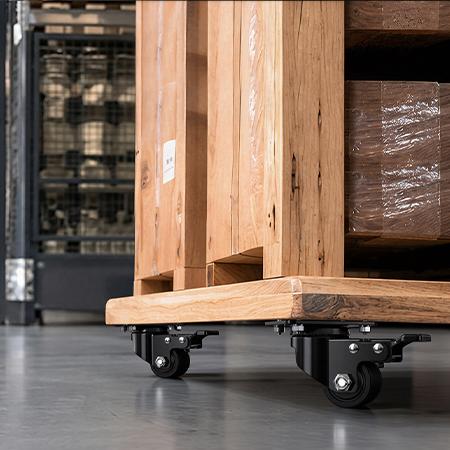
Additionally, advancements in manufacturing processes allowed for more precise engineering. Casters became available in various sizes, styles, and configurations, catering to specific needs in diverse industries. This period also saw the rise of specialized casters, including locking mechanisms and shock-absorbing features, enhancing safety and stability.
The Impact of Technology
In recent years, technology has played a pivotal role in shaping the caster industry. The integration of computer-aided design (CAD) and simulation technologies has enabled manufacturers to create more efficient and effective caster designs. These advancements allow for the optimization of performance, leading to improved load-bearing capacities and smoother movement.
Moreover, the rise of e-commerce has made it easier for consumers and businesses to access a wide variety of wheel casters. Online platforms now offer detailed product specifications, customer reviews, and comparisons, empowering buyers to make informed decisions based on their unique requirements.
The Future of Wheel Casters
Looking ahead, the future of wheel casters appears promising. Innovations in smart technology may lead to the development of intelligent casters that can automatically adjust to different surfaces or loads. Additionally, sustainable materials are becoming increasingly important as industries focus on reducing their environmental impact.
Manufacturers like HOLKIE are already exploring eco-friendly options, ensuring that the evolution of wheel casters continues to prioritize both functionality and sustainability.
Conclusion
The evolution of wheel casters is a testament to human ingenuity and the quest for mobility. From their ancient origins to the high-tech innovations of today, wheel casters have adapted to meet the changing needs of society. Understanding this historical perspective not only enriches our appreciation for these often-overlooked components but also informs future developments in design and functionality.
As you consider your options for wheel casters, whether for furniture or industrial applications, look for high-quality products from reputable brands like HOLKIE. Our commitment to innovation and quality ensures that you find the perfect caster solution tailored to your needs.




What Are the Key Benefits of Using Wheel Casters?
What Are the Benefits of Using Wheel Casters for Heavy-Duty Applications?