
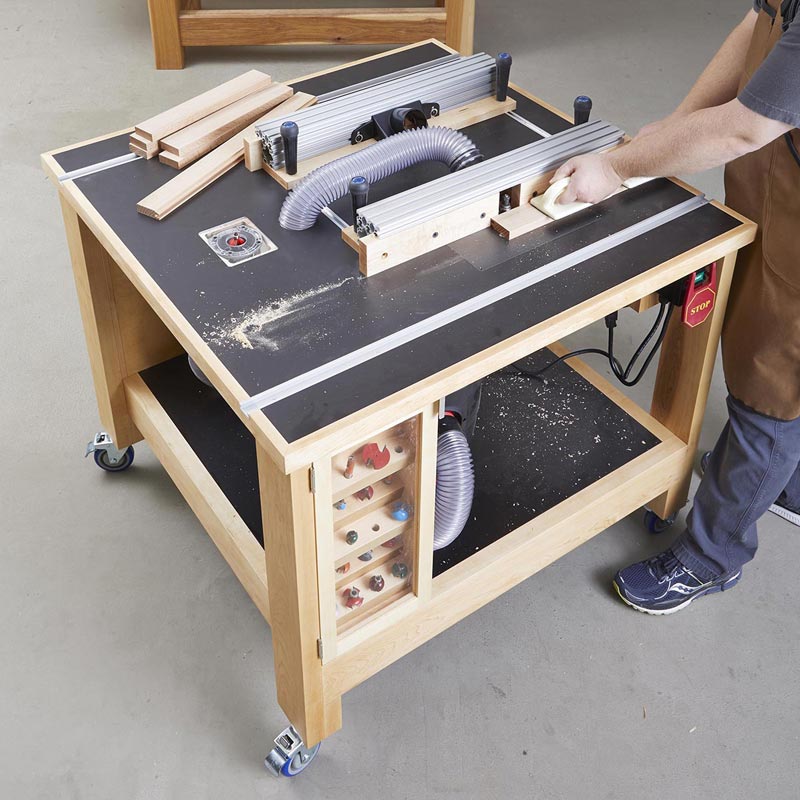
Do you need to replace the casters?
Wear on casters often results in less efficient operation of equipment. Damage, wear, or deterioration of casters and wheels can seriously affect the operation or efficiency of otherwise fine equipment. regular maintenance and ultimately replacement caster wheels should be considered.
You bought a brand new industrial cart for your warehouse, equip with a shiny new set of casters. The trolley runs smoothly and has low rolling resistance, which really provides you with a useful "tool" to improve work efficiency and reduce your fatigue.
After a year or two, even with regular maintenance, those shiny new casters won't be in the same condition. This can make you feel the rolling resistance increased and difficult handling, increasing your fatigue and reducing productivity.
While maintaining the casters will increase the life of the casters and wheels to some extent, the casters or their wheels will deteriorate or wear out over time, it require the replacement of the casters. After all, the cart itself is likely still in good condition, and the cost of replacing the wheels is relatively low. In the long run, this pays dividends in efficiency.
In this article, we take a look at the signs that it is time to replace casters or wheels.
Damaged or worn treads are the most common failure mode for casters. Fortunately, this is also the easiest glitch to correct. Most casters are designed so that the wheels can be removed from the bracket (object) without having to replace the bracket. Not only is it economical because only the wheels need to be replaced, but there is no need to disassemble the bracket, making replacement quick and easy. While rubber casters have many benefits, they are the most prone to wear and damage. Therefore, when the shelf is still intact, the casters are damaged. And for wear-resistant casters like nylon, you will find that when the wheels are worn or damaged, the brackets may also need to be replaced.
Many wheels are material damage caused by the environment. Rubber wheels are great for providing low noise and cart maneuverability on uneven floors, but if the unit sits still for long periods of time, especially if exposed to outdoor elements such as UV rays, flat spots or even cracks may develop in the rubber, thereby Greatly increases rolling resistance. While phenolic casters are great at handling extreme temperatures and thermal shocks, they deteriorate quickly when water or liquids are added to the mix.
There are noises and squawks during the handling of the load - this can be a sign of wheel wear, especially around the axles, as the wheels start to loosen. Once the shaft hole on the sliding bearing wheel wears out, it has to be replaced immediately!
Wheel bearings and rotary bearings wear and/or become loose over time, which can make some ball bearings fall off. In general, most casters are considered "maintenance-free," requiring only a little grease on the bearings from time to time for everyday equipment. But after prolonged use, ball bearings become worn or lost and cannot be easily replaced, which is when Caster needs to be replaced.
Impact Damage - The impact can affect any part of the caster, From the bracket, retainer plate, wheel to bearing. If damaged, it should be replaced. But if only the wheel is damaged, it can usually be replaced without replacing the entire caster assembly.
Our engineers at Holkieusa Casters have abundant experience with the trolley industry. They can assess damage, offer replacement caster wheels and components and propose improve options for replacement Casters and Wheels.
The technical department can be contacted on order@holkieusa.com Or to buy replacement caster wheels now, visit the website https://www.holkieusa.com
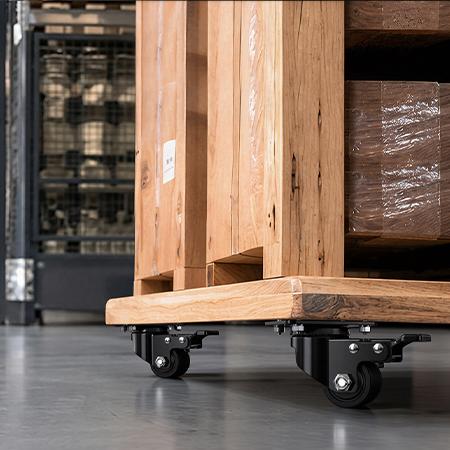
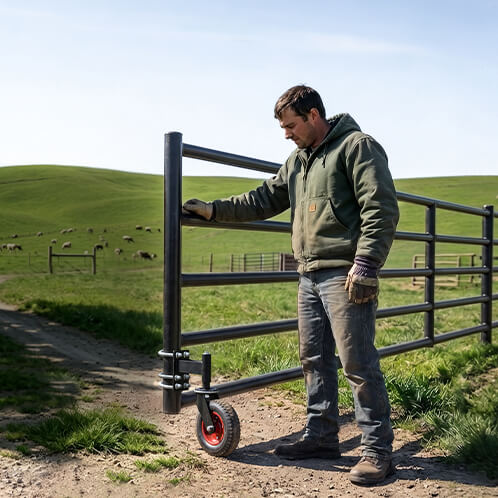
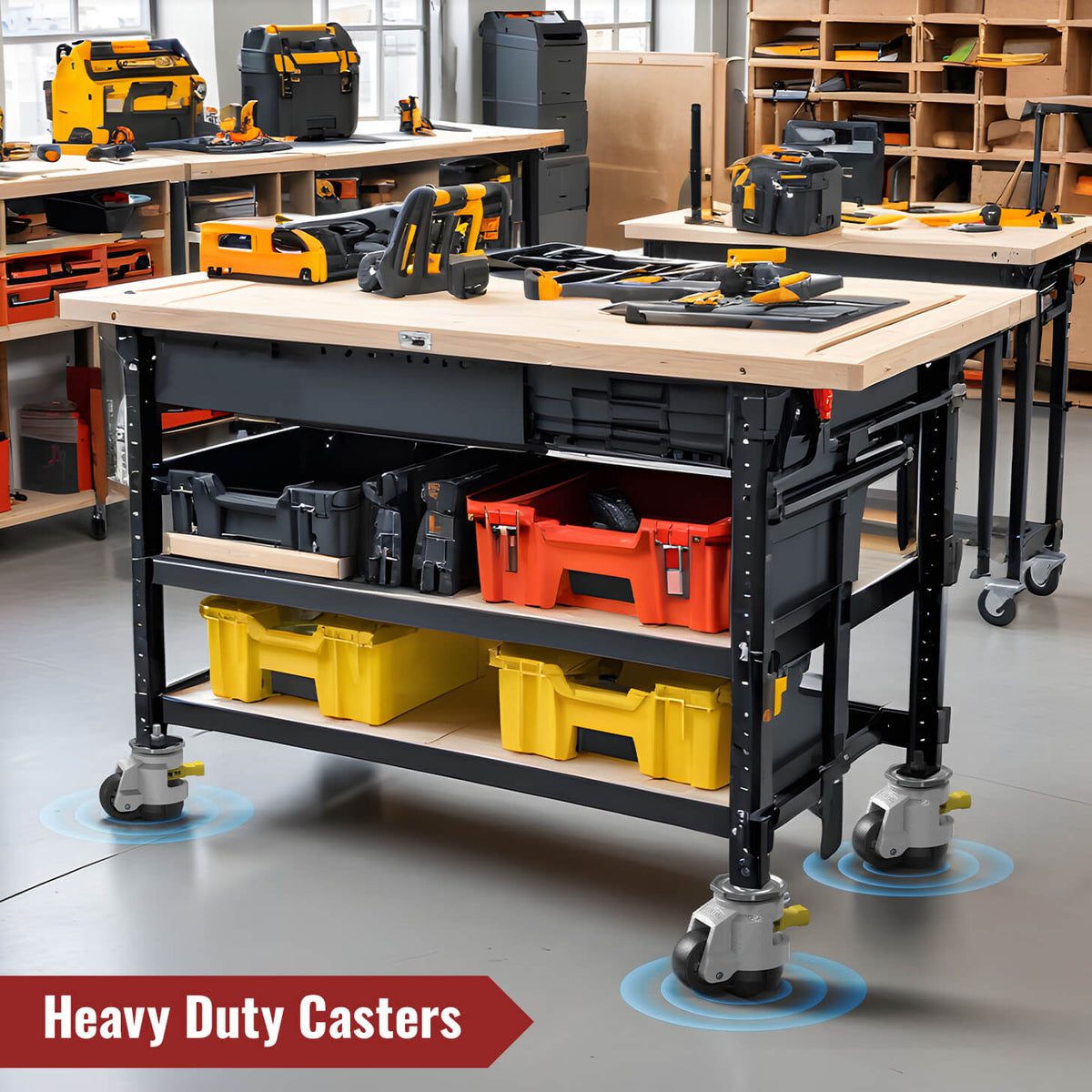




5 Step Guide to Caster Wheel Installation – Top Plate Casters