
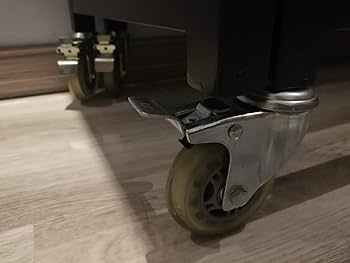
In the world of material handling and industrial applications, heavy-duty casters emerge as the unsung heroes, providing robust support and unparalleled strength for moving substantial loads. These casters, built to withstand the rigors of demanding environments, play a crucial role in ensuring smooth and efficient operations across various industries.
The Anatomy of Heavy Duty Casters
Built to Last
What sets heavy-duty casters apart is their robust construction. These casters are designed to handle significantly higher loads compared to their standard counterparts. The materials used in their construction, including high-quality metals and reinforced components, contribute to their durability and longevity.
Enhanced Load Capacity
One of the defining features of heavy-duty casters is their impressive load-bearing capacity. Whether it's moving heavy machinery, industrial equipment, or large containers, these casters are engineered to handle substantial weights, providing a reliable solution for the most challenging applications.
Applications Across Industries
Manufacturing and Warehousing
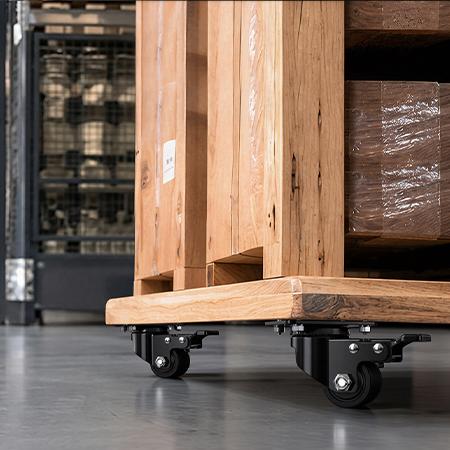
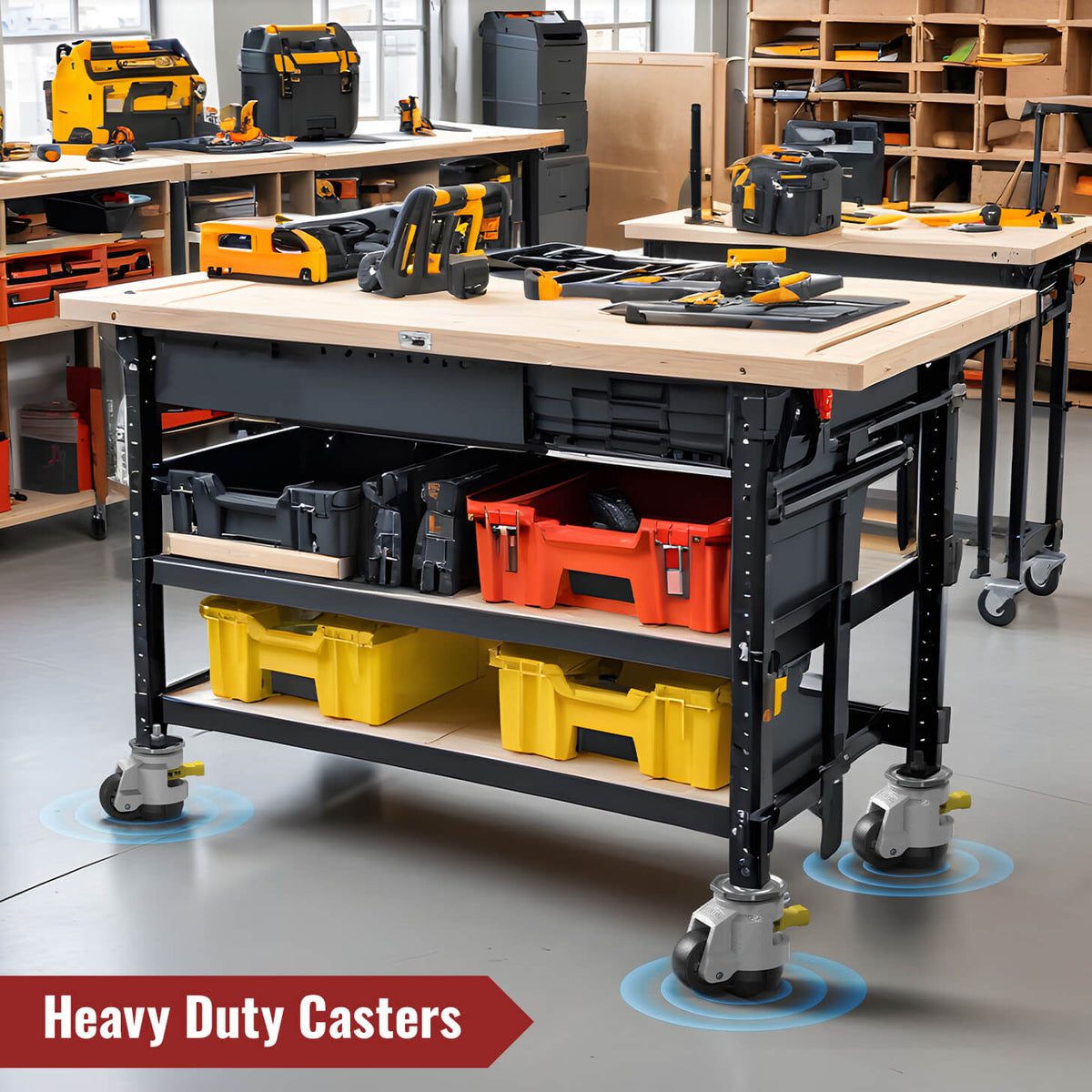
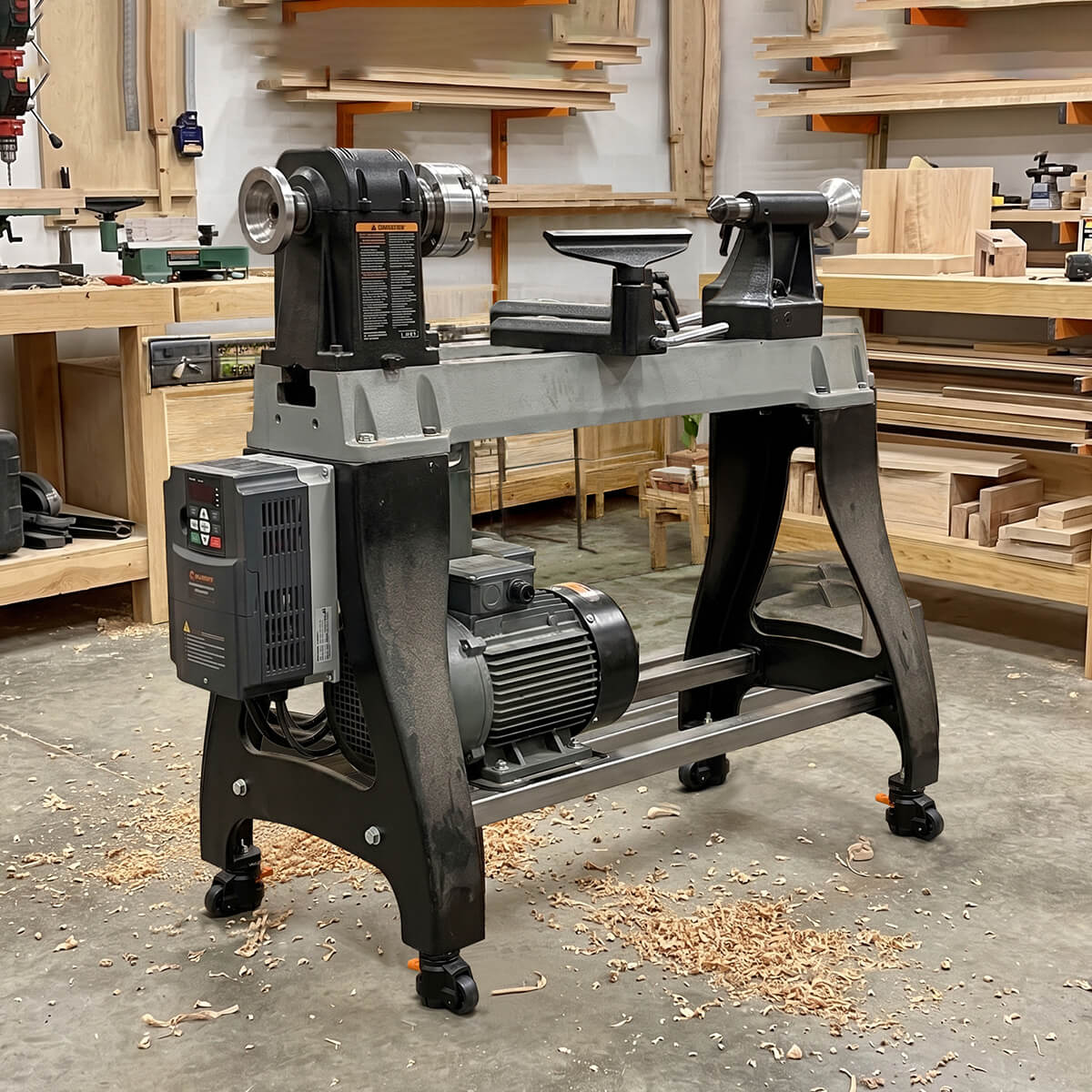
In manufacturing environments, heavy-duty casters are indispensable. They support the mobility of heavy machinery, allowing for flexibility in layout and facilitating efficient production processes. In warehouses, these casters are employed for moving pallets and large containers with ease.
Aviation and Aerospace
The aerospace industry, known for its precision and stringent standards, relies on heavy-duty casters for the movement of aircraft components and equipment. The ability of these casters to withstand heavy loads and extreme conditions makes them a reliable choice in this sector.
Choosing the Right Heavy Duty Caster
Load Capacity Considerations
Selecting the appropriate heavy-duty caster involves a careful evaluation of load requirements. Understanding the weight distribution and the maximum load the casters will bear is crucial for ensuring safety and optimal performance.
Wheel Selection for Terrain
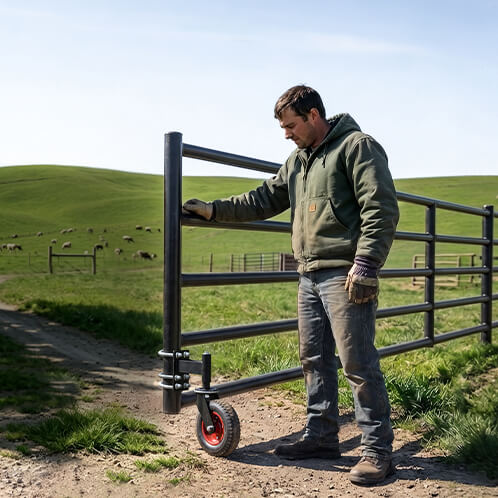
Heavy-duty casters come with a variety of wheel options, each suitable for different terrains. Whether it's concrete floors, uneven surfaces, or outdoor environments, choosing the right wheel material and design is essential for smooth and controlled movement.
Advantages in Challenging Environments
Resistance to Harsh Conditions
Heavy-duty casters are designed to thrive in challenging conditions. They are resistant to abrasion, corrosion, and extreme temperatures, making them suitable for use in a wide range of environments, from manufacturing floors to outdoor construction sites.
Stability and Maneuverability
Despite their substantial load capacity, heavy-duty casters provide stability and maneuverability. The inclusion of precision bearings and swivel mechanisms ensures smooth movement, allowing users to transport heavy loads with ease and precision.
Conclusion
Heavy-duty casters stand as stalwarts in the world of industrial mobility. Their robust construction, impressive load capacity, and adaptability to various environments make them an indispensable component in material handling and logistics. By understanding the unique features and considerations associated with heavy-duty casters, businesses can make informed choices, ensuring the reliable and efficient movement of heavy loads in their operations.




Choosing the Right Replacement Caster Wheels for Food Manufacturing Carts: A Comprehensive Guide