


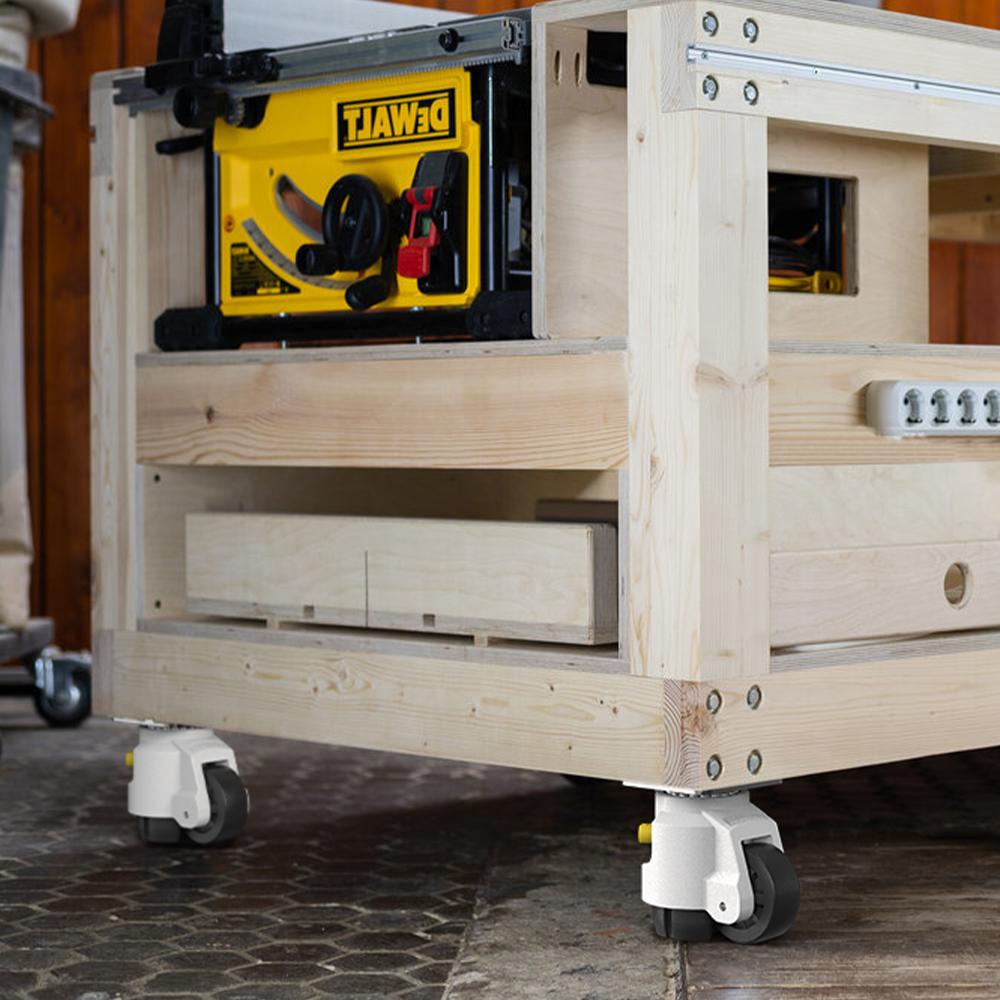
Leveling casters for medical equipment combine a wheel with an adjustable support foot. When compatible equipment needs to move occasionally, the wheel allows repositioning; at the work location, the support foot can be adjusted to help reduce rocking. Suitability depends on the equipment, mounting, load, floor, cleaning requirements, and the specific caster design. In UK English, you may also see these products described as levelling castors.
For current mounting options, explore Holkie's leveling casters. For several units or an OEM project, gather the equipment information below before requesting a bulk quote.
How Do Leveling Casters Support Equipment?
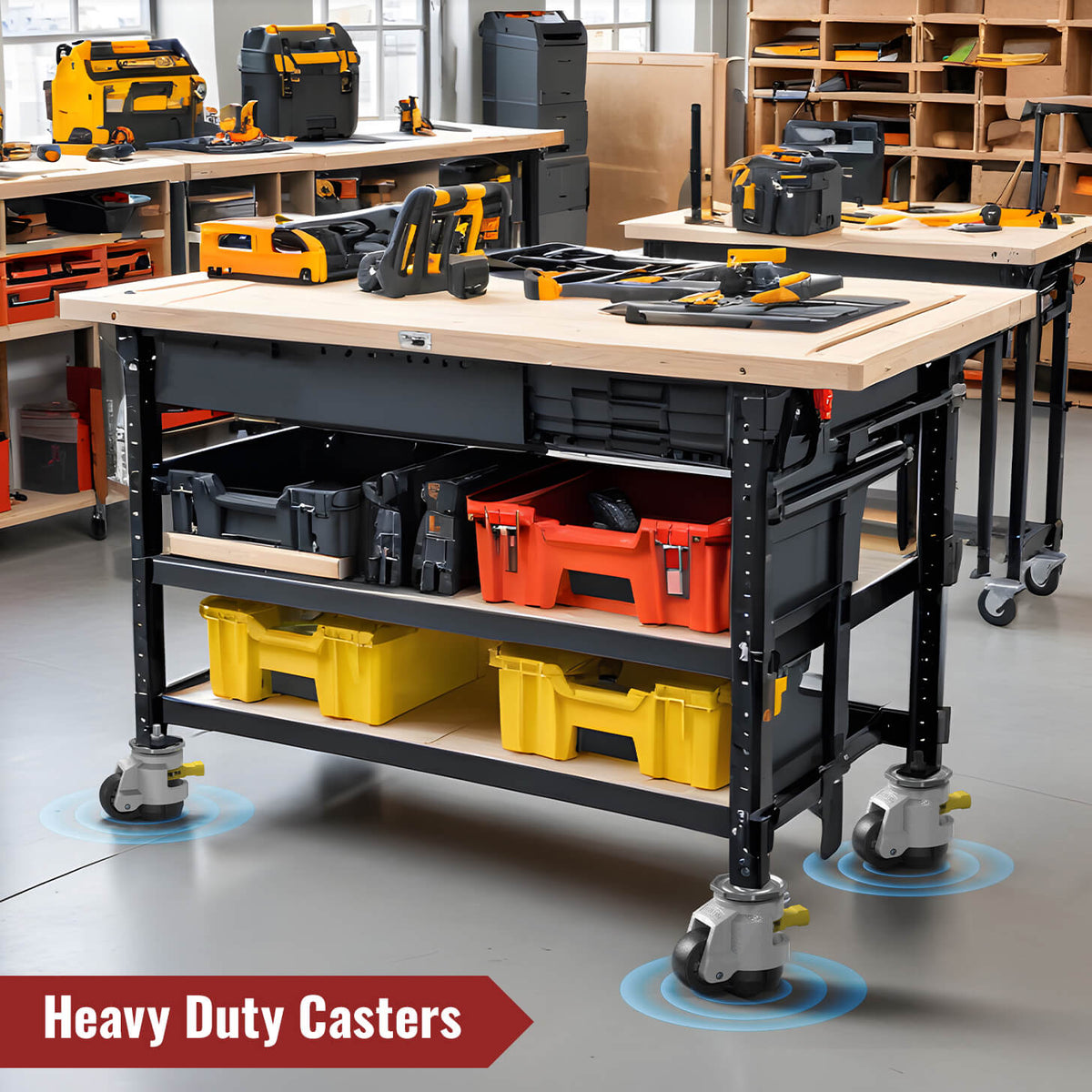
A typical adjustable leveling caster combines a swivel wheel and a support foot in one assembly. The operator moves the equipment to its intended location, then adjusts the support according to the caster manufacturer's instructions. Depending on the model and setup, the support foot can carry some or all of the load in the working position.
The benefit is not automatic leveling. Many models require manual adjustment at each caster. A final check is still needed to confirm that the equipment is supported and does not rock during its intended use. A caster cannot correct an unsuitable floor, weak frame, incorrect installation, or equipment that requires a different support system.
This move-then-support workflow may be useful for compatible equipment that is repositioned for maintenance, cleaning, or layout changes and remains in one place during work. It may be less convenient for a cart that must move many times throughout the day.
Where Might Leveling Casters Be Considered?
The examples below describe possible equipment needs, not approved uses of a particular Holkie product. The equipment manufacturer and the responsible facility team must confirm the mounting and operating requirements.
| Equipment situation | Why an adjustable support may be considered | What to confirm first |
|---|---|---|
| Instrument workstation moved occasionally | The workstation needs to move for cleaning or service, then remain supported | Working height, mounting strength, cleaning compatibility, instrument requirements |
| Stand for diagnostic or test equipment | A stand is repositioned between setups and needs a stable work position | Manufacturer-approved base, load distribution, stability criteria, cables and clearance |
| Mobile equipment cart used throughout the day | Frequent movement may make quick-to-operate wheel brakes more practical | Movement frequency, brake function, floor, and the cart manufacturer's instructions |
| Patient-support or safety-critical device | A change to the base can affect a device's intended use and safety | Use only hardware and configurations approved by the equipment manufacturer |
Do not assume that a clinical setting requires a leveling caster, or that a caster suitable for one stand is appropriate for another. In some cases, an approved fixed support or medical-equipment caster with a specified brake is the better solution.
Leveling Casters vs. Locking Casters: Which Function Do You Need?
The key difference is the intended function. A wheel brake restricts wheel rotation and/or swivel movement, depending on the design. An adjustable leveling foot creates an adjustable support point. Neither description alone proves that the equipment will meet a particular stability requirement.
| Consideration | Leveling caster | Locking caster |
|---|---|---|
| Main function | Move equipment, then adjust a support point | Restrict wheel rotation, swivel, or both, depending on the brake |
| Floor-height adjustment | May compensate for limited variation within the specified range | A brake alone does not adjust support height |
| Transition between uses | Support foot is adjusted according to the model's instructions | Brake is engaged or released according to the model's instructions |
| Frequent movement | Check the time and access needed to adjust each support | May suit frequent movement when the approved brake meets the equipment need |
| What to verify | Mount, load, height, support range, and equipment approval | Brake function, mount, load, and equipment approval |
If you are comparing different move-and-support mechanisms, read Leveling Casters vs. Retractable Casters. For a cart that needs an approved replacement wheel and brake rather than an adjustable foot, review the equipment manufacturer's requirements first and then explore the medical cart wheels collection. A collection name does not establish that a particular product is approved for a specific device or healthcare setting.
What Should a Buyer Check Before Ordering?
1. Equipment approval and intended use
Start with the equipment manual and the manufacturer's approved replacement parts or base design. Ask whether the frame is allowed to use a caster with a leveling foot and whether the installed height or support arrangement can be changed. For a sensitive or regulated device, involve the equipment manufacturer and the facility's responsible technical team before modifying the base.
2. Actual working load and capacity basis
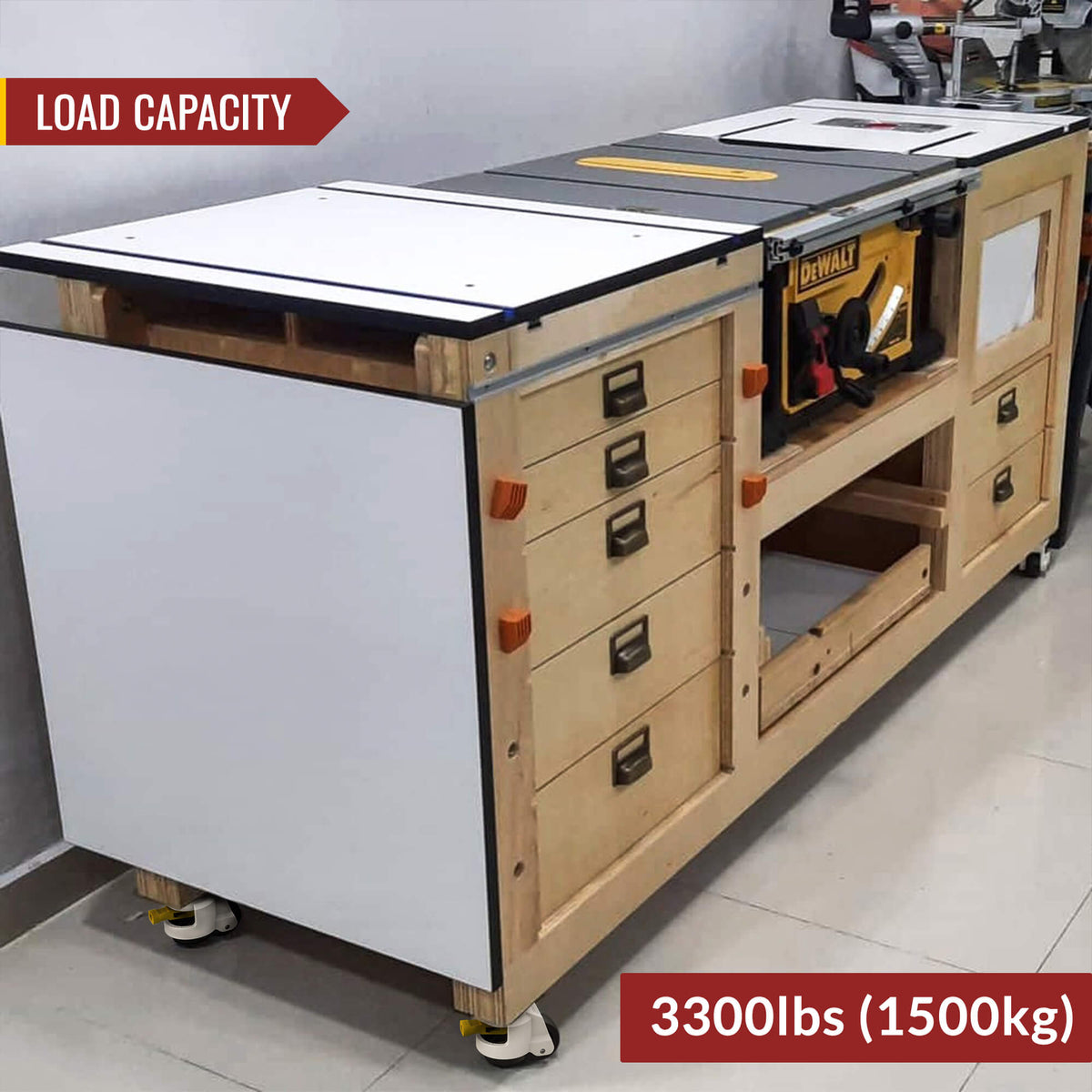
Include the equipment, accessories, batteries, supplies, and any normal working contents. For example, if a frame and instrument together weigh 300 lb (approximately 136 kg) and the normal accessories add 60 lb (approximately 27 kg), the working load is 360 lb (approximately 163 kg). This is an example, not a recommended caster rating.
Check whether each product rating is stated per caster or per set and whether it applies to the rolling or supported state. Uneven loading, floor joints, and off-center equipment can place different forces on individual casters. Do not assume that dividing the total load equally by four confirms suitability; follow the equipment and caster manufacturers' guidance.
3. Mounting dimensions and frame strength
For a plate mount, measure the available mounting surface, plate size, bolt-hole spacing, hole diameter, frame thickness, and fastener access. For a threaded stem, verify the thread diameter, pitch, stem length, usable thread engagement, and compatibility with the existing socket or insert.
The frame and fasteners must also be suitable for the actual load. A plate is not automatically stronger than a stem simply because it looks larger. See Plate Mount vs. Threaded Stem Leveling Casters for the detailed measurement checklist.
4. Installed height and adjustment range
Measure the current floor-to-frame height and compare it with the full installed height of the new caster. Check the available leveling range, the height required for the equipment to work correctly, and access to the adjustment mechanism. Use both millimeters and inches when sharing measurements across purchasing and engineering teams.
5. Floor, movement route, and cleaning
Consider flooring, thresholds, movement frequency, maneuvering space, and the surface contacted by the leveling foot. Ask for model-specific information about exposure to the facility's cleaning products and environment. Do not assume chemical resistance, non-marking performance, cleanroom suitability, or medical certification unless the manufacturer provides documentation for the exact product.
Review Holkie Mounting Options
Holkie's range includes plate-mount and threaded-stem leveling casters. The TD60 plate-mount product page and TD100 threaded-stem product page are starting points for comparing mounting formats. Check the current product specifications and availability before ordering; these links do not establish medical-device approval or suitability for a particular facility.
If the connection, operating load, or healthcare requirements are unclear, prepare the details below and contact Holkie before placing a multi-unit order. The equipment manufacturer remains responsible for approving any change to its device.
What to Include in a Bulk or OEM Inquiry
For a small-business, maintenance, distributor, or OEM purchase, include:
- equipment type, make/model, and intended use;
- fully loaded working weight, in lb or kg, and number of casters per unit;
- plate dimensions and hole spacing, or stem diameter, thread pitch, and length;
- current and required installed height, in inches or millimeters;
- movement frequency, floor type, thresholds, and support requirements;
- applicable cleaning agents, environment, and required documentation;
- total equipment quantity and number of caster sets required;
- delivery country and target delivery date;
- photographs or a dimensioned drawing of the existing mounting area.
Send the information through the Bulk Order page. Ask about the current model options, quantity, price, and delivery for your destination. Product availability, shipping, and any documentation should be confirmed for the particular order.
Frequently Asked Questions
How do leveling casters enhance the stability of medical equipment?
On compatible equipment, an adjustable support foot can be set after the equipment is positioned, helping to reduce rocking and support the frame. The actual result depends on the model, installation, floor, load, and the equipment manufacturer's requirements.
Can I replace a medical cart's locking casters with leveling casters?
Not automatically. The new mounting, height, adjustment method, floor contact, and movement frequency must suit the cart. Follow the cart manufacturer's approved configuration and involve the responsible facility team before making a change.
Are leveling casters automatically self-leveling?
Many leveling casters require manual adjustment. Confirm how the selected model changes between rolling and supported positions rather than assuming an automatic function from the product name.
Are Holkie leveling casters medical-grade or cleanroom-certified?
Do not assume either claim from the caster type or an application description. Request documentation for the exact model and ask the equipment manufacturer and facility team whether it meets the required conditions.
What is the most important measurement before buying?
No single measurement is enough. Check the fully loaded weight and capacity basis, mounting dimensions, installed height, adjustment range, and operating environment together.
Choose the Right Support for the Equipment
When equipment must move occasionally and then be supported at its work location, leveling casters may be worth considering. Start with the equipment manufacturer's requirements, compare the mounting and load details, and confirm the final setup before use.
Browse the Holkie leveling casters collection or request a bulk quote for a multi-unit project.

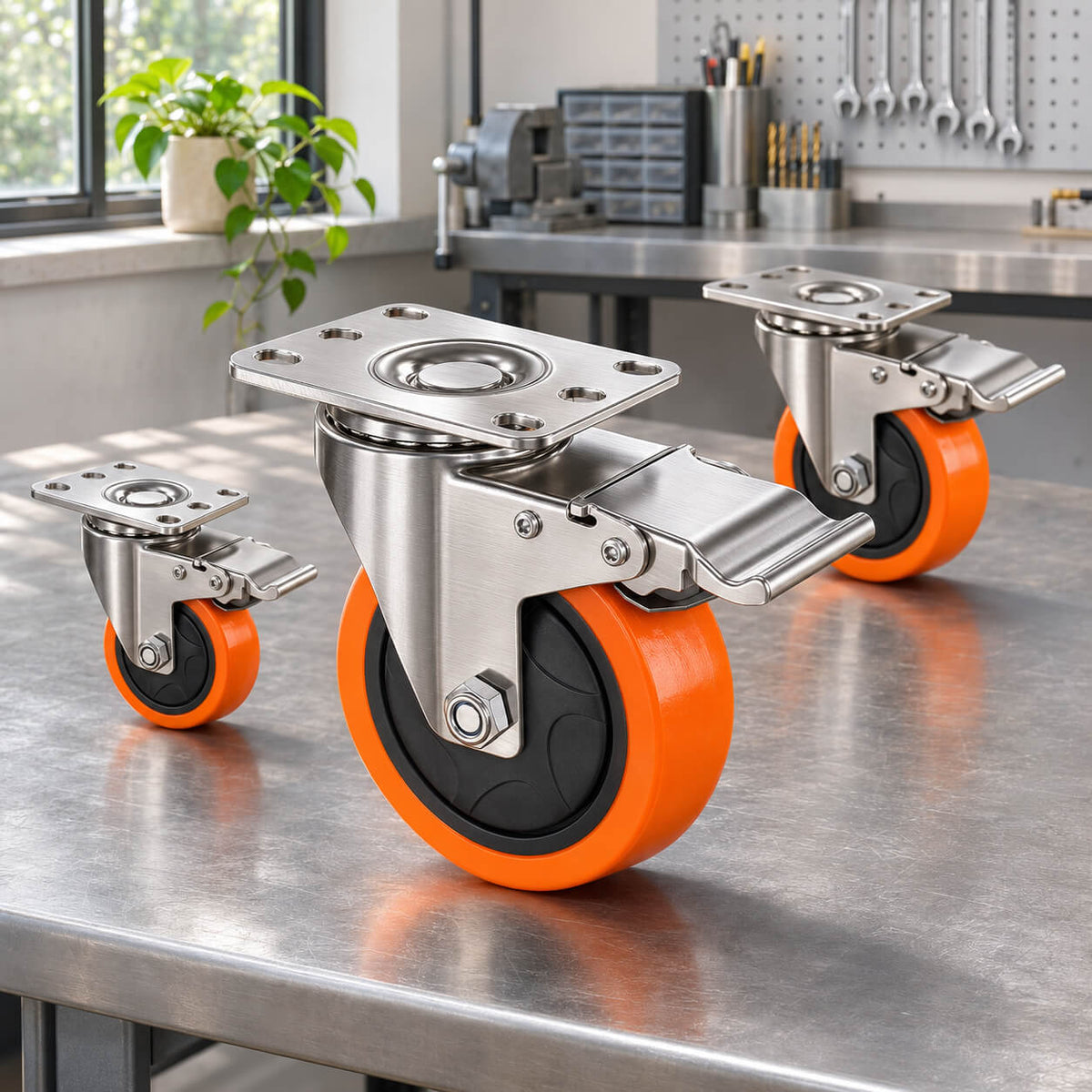

How to Choose Stainless Steel Casters for Carts, Tables, and Workbenches