
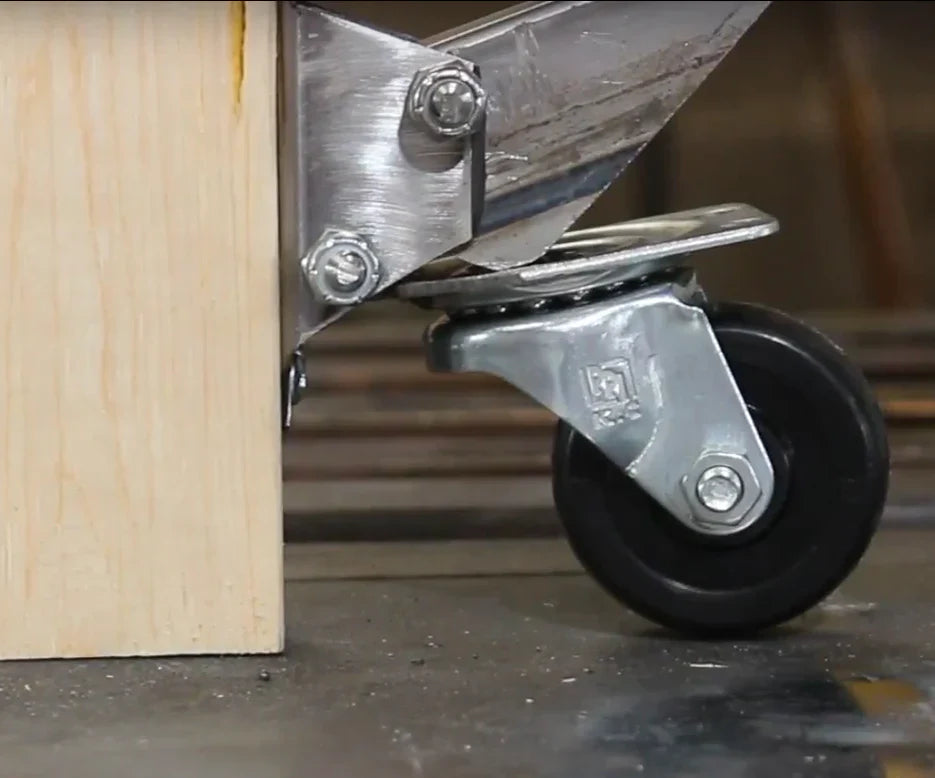
Choosing the right retractable casters can significantly enhance the functionality and convenience of various applications. Whether you are outfitting a piece of furniture or equipping industrial machinery, selecting the appropriate casters ensures optimal performance, safety, and ease of use. This article will guide you through the essential factors to consider when choosing retractable casters, including load capacity, material, wheel size, and design features.
Understand Your Load Requirements
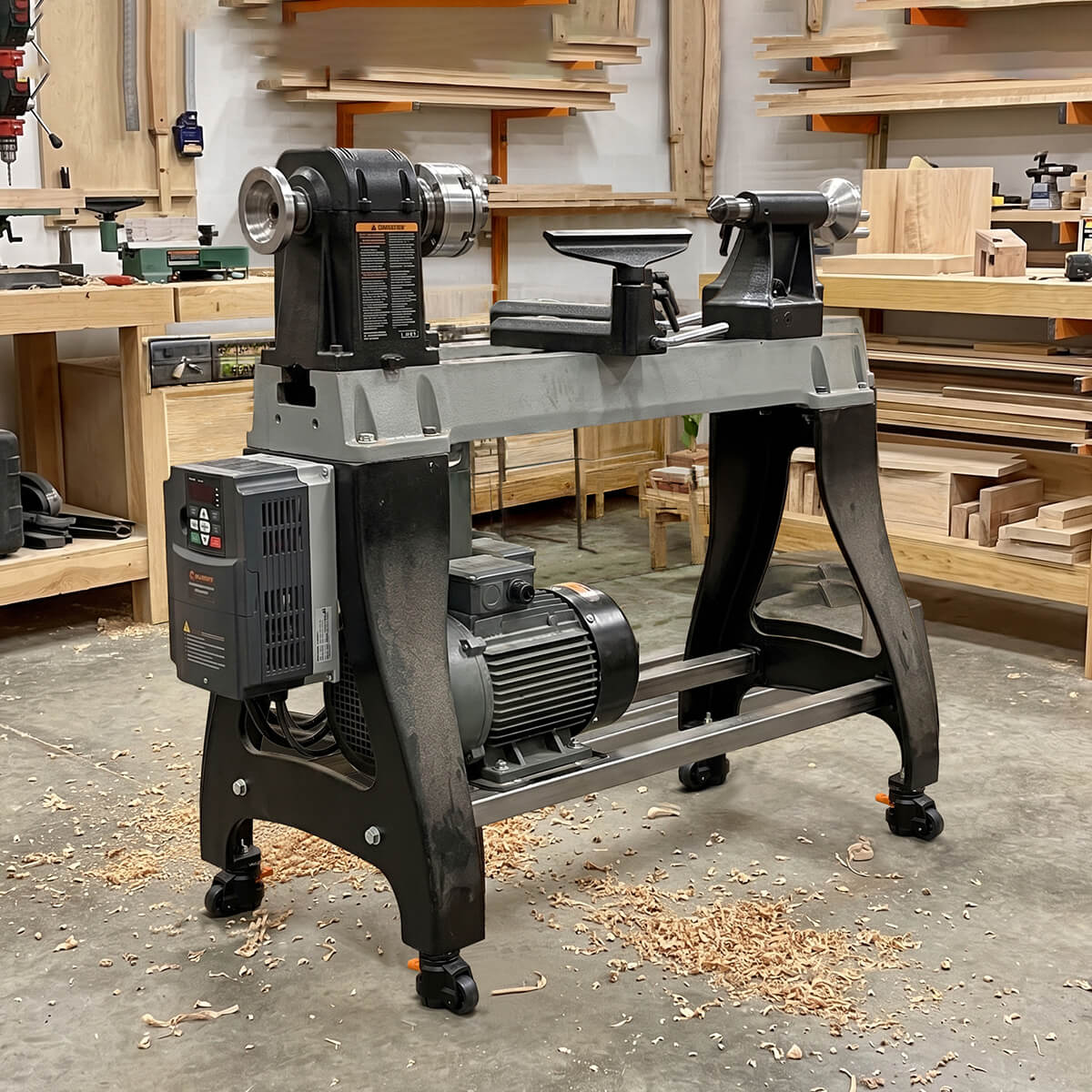
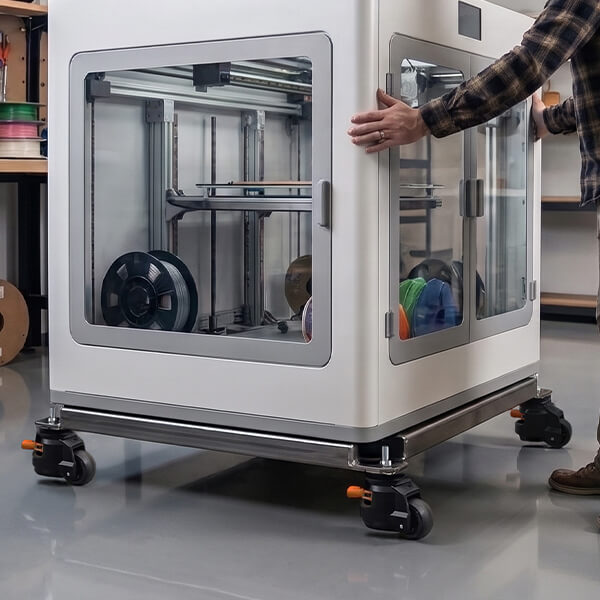
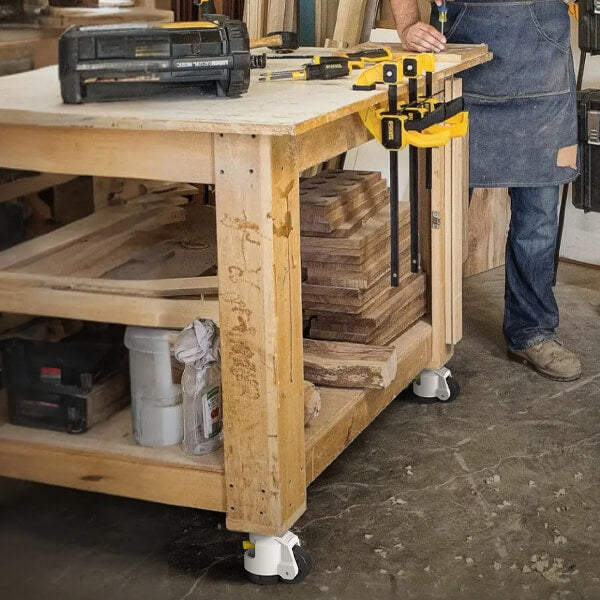
Before you begin shopping for retractable casters, it's crucial to determine the load requirements of your application. Retractable casters come with varying load capacities, typically ranging from light-duty options suitable for furniture to heavy-duty versions designed for industrial equipment.
How to Calculate Load Capacity:
- Identify the total weight of the item you intend to equip with casters, including any additional loads.
- Consider dynamic loads—the weight when the item is in motion may differ from when it is stationary.
- Factor in safety margins; it’s advisable to choose casters with a load capacity higher than your calculated weight to ensure durability and safety.
Selecting casters with the correct load capacity is vital for preventing damage and ensuring stable movement.
Choose the Right Material
The material of the retractable casters plays a significant role in their performance, durability, and suitability for specific environments. Common materials include:
- Polyurethane: Offers a good balance between durability and floor protection, making it ideal for indoor use and delicate flooring surfaces.
- Rubber: Provides excellent shock absorption and noise reduction, making it suitable for environments where quiet operation is important.
- Metal: Ideal for heavy-duty applications, metal casters can withstand harsh conditions and heavy loads but may not protect floors as well.
Consider the environment in which the casters will be used and choose a material that aligns with your needs.
Determine Wheel Size
The size of the wheels on your retractable casters affects their performance and maneuverability. Larger wheels typically roll more easily over obstacles and uneven surfaces, while smaller wheels provide better maneuverability in tight spaces.
General Guidelines:
- Heavy loads: Choose larger wheels (typically 4 inches or more) to distribute weight evenly and reduce floor damage.
- Tight spaces: Smaller wheels (2 to 3 inches) can facilitate movement in confined areas but may struggle with uneven surfaces.
Assess Swivel vs. Rigid Casters
When selecting retractable casters, you will encounter two primary types: swivel casters and rigid casters. Understanding the difference between these two options is essential for making an informed decision.
- Swivel Casters: These allow for 360-degree rotation, making them ideal for navigating tight corners and areas where maneuverability is essential.
- Rigid Casters: These do not rotate and provide straight-line movement, which can be beneficial for stability, especially when moving heavy loads.
Combination Options: Many applications benefit from a combination of swivel and rigid casters, offering flexibility and stability where needed.
Consider Braking Mechanisms
Braking mechanisms are vital for enhancing safety and control, especially in applications where movement needs to be restricted. Retractable casters often come with various braking options, including:
- Total Lock: Locks both the wheel and the swivel, providing maximum stability when stationary.
- Directional Lock: Allows the wheel to roll but prevents it from swiveling, which can be beneficial for moving heavy items in a straight line.
When selecting casters, consider your specific needs for mobility and stability, and choose the appropriate braking mechanism to match.
Evaluate Design Features
Retractable casters come with various design features that enhance their functionality. Look for features such as:
- Retractable Mechanism: Ensure that the mechanism for retracting and extending the casters is smooth and easy to operate.
- Height Adjustment: Some casters allow for height adjustments, making them versatile for different applications.
- Aesthetic Design: Consider how the design of the casters will fit with your overall aesthetic, especially for furniture applications.
Test for Quality and Durability
Before making a purchase, it’s essential to test the quality and durability of the retractable casters. Look for products that offer warranties and read customer reviews to gauge their performance over time. High-quality casters will be built to withstand daily wear and tear, providing a long-lasting solution.
Conclusion
Choosing the right retractable casters involves careful consideration of various factors, including load capacity, material, wheel size, swivel versus rigid options, braking mechanisms, and design features. By taking the time to assess your needs and understanding these critical aspects, you can make an informed decision that enhances mobility and safety in your applications.
At HOLKIE, we offer a diverse range of high-quality retractable casters tailored to meet various requirements. Our commitment to excellence ensures that you find the perfect solution for your needs.
By following these guidelines, you can confidently select retractable casters that provide optimal performance and functionality for your specific applications.
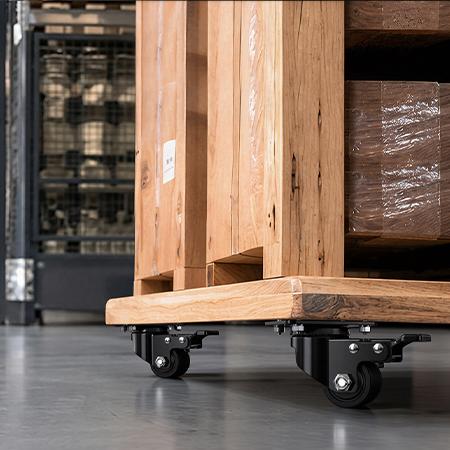
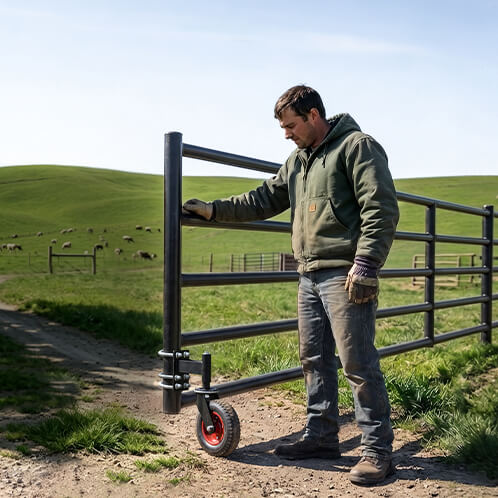



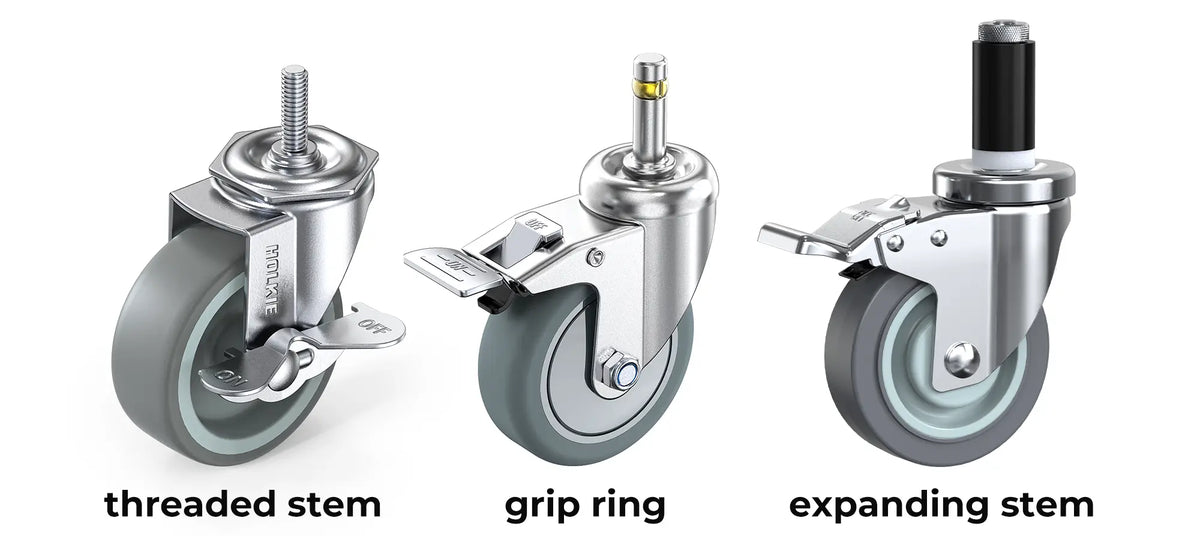
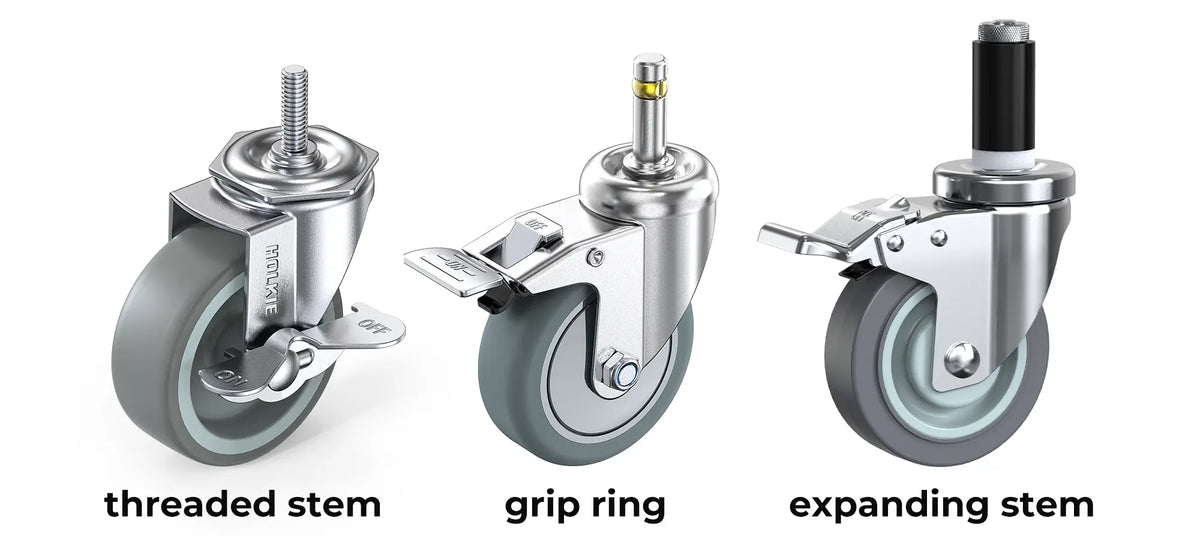

What Are the Different Types of Retractable Casters?
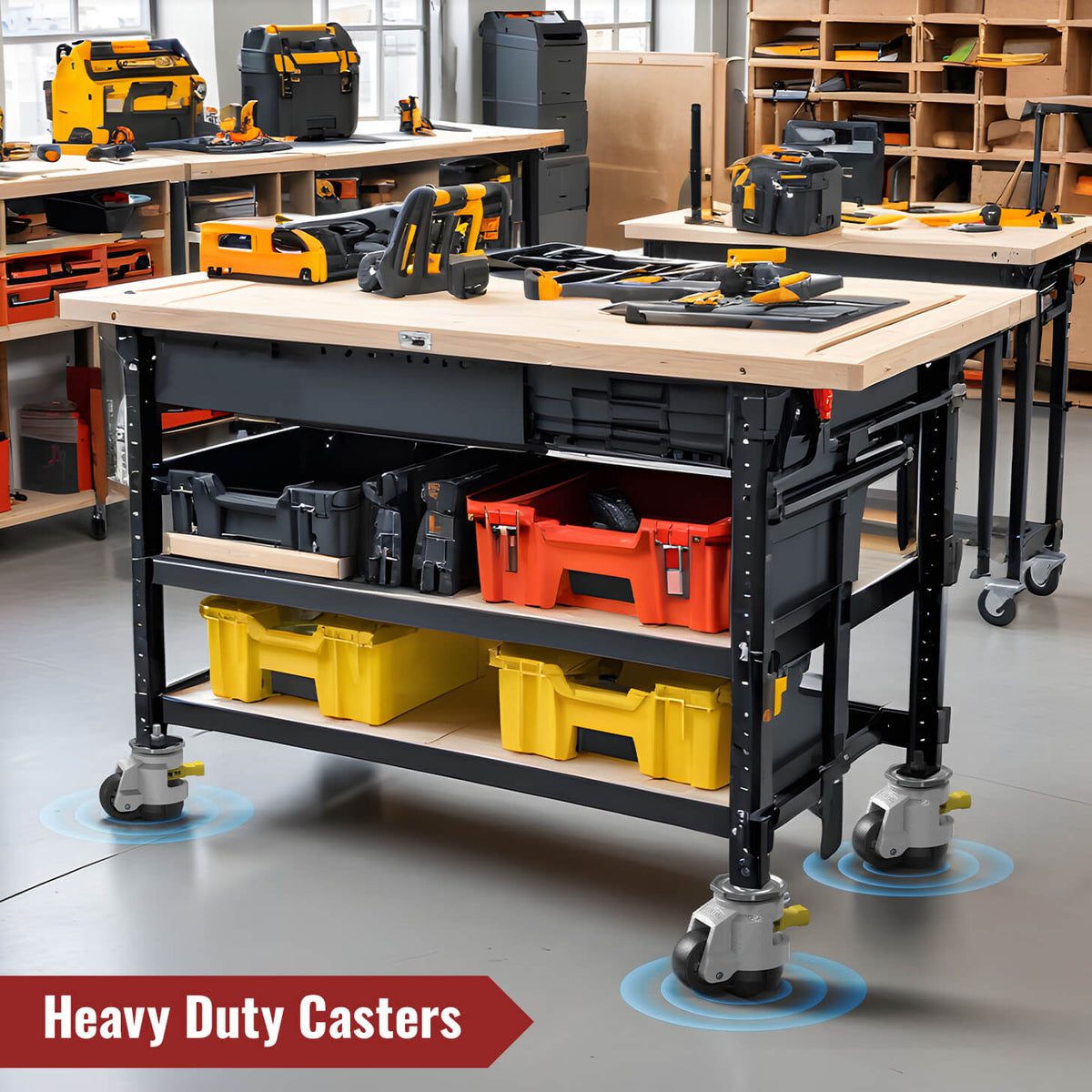
What Factors Should You Consider When Choosing Wheel Casters for Heavy-Duty Equipment?